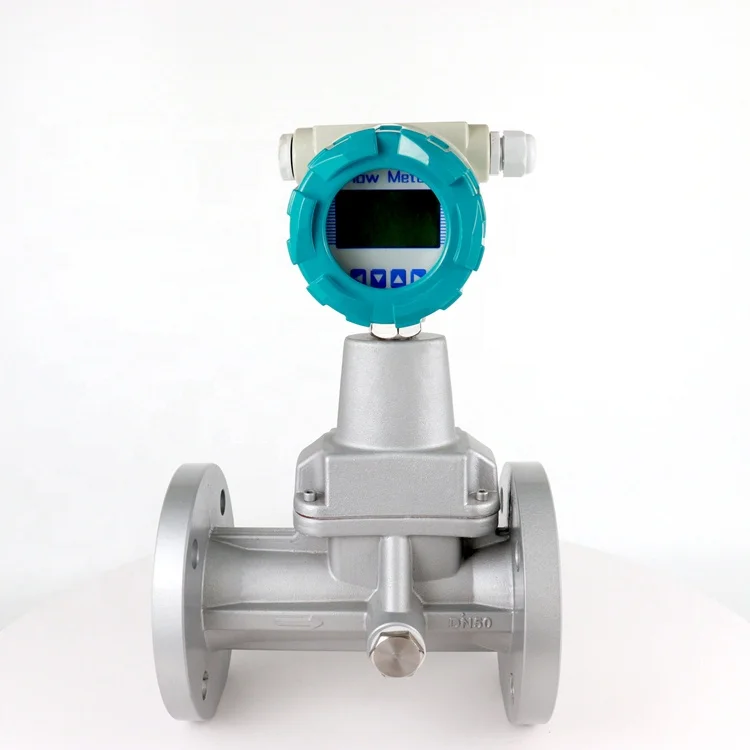
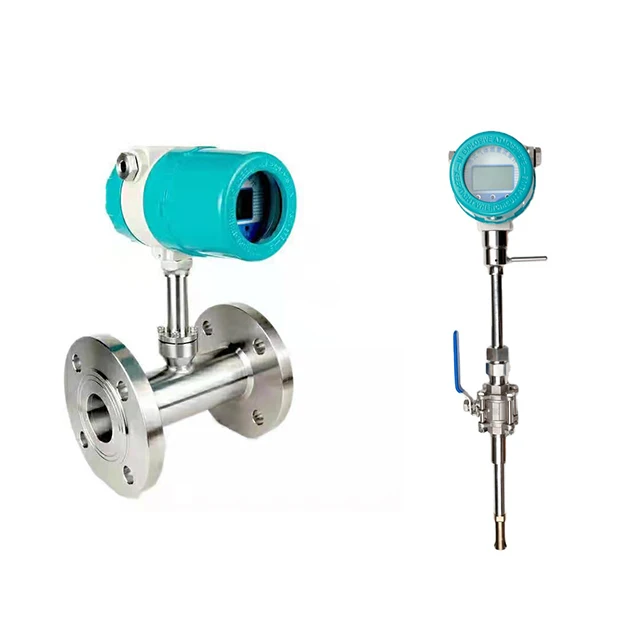
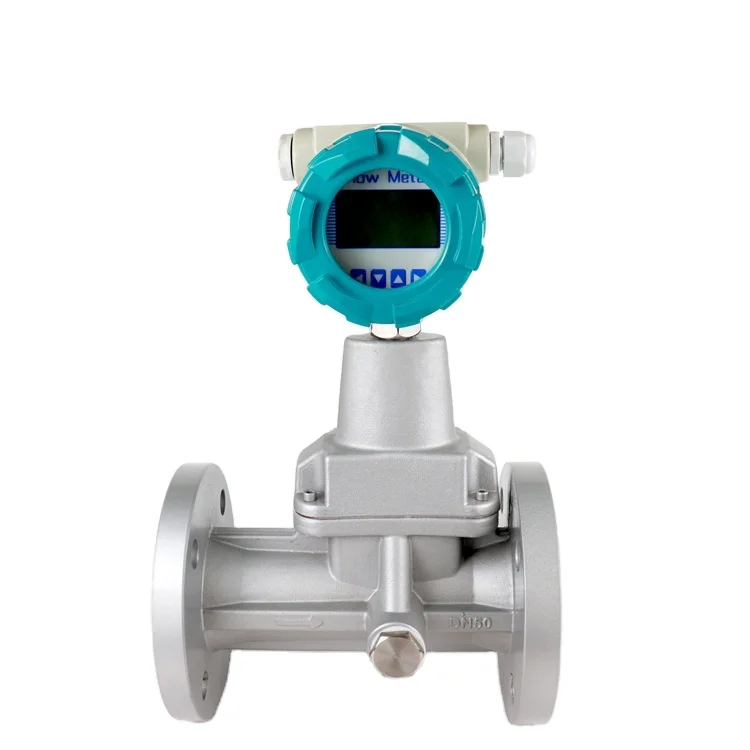
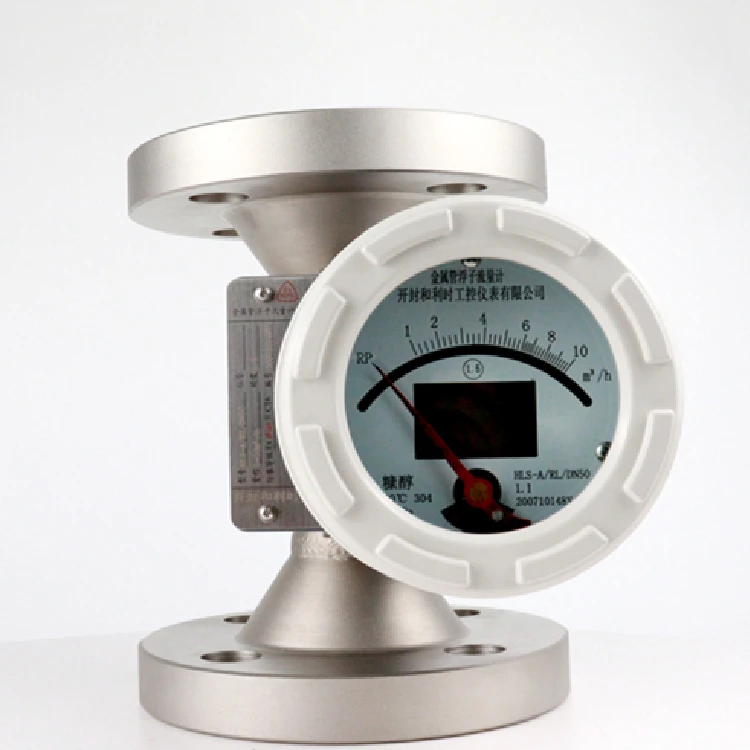
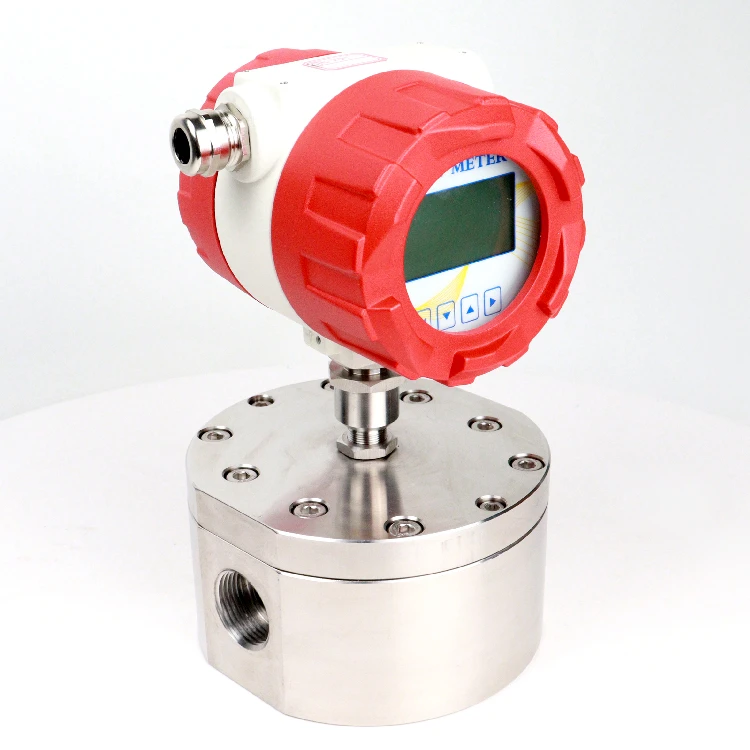
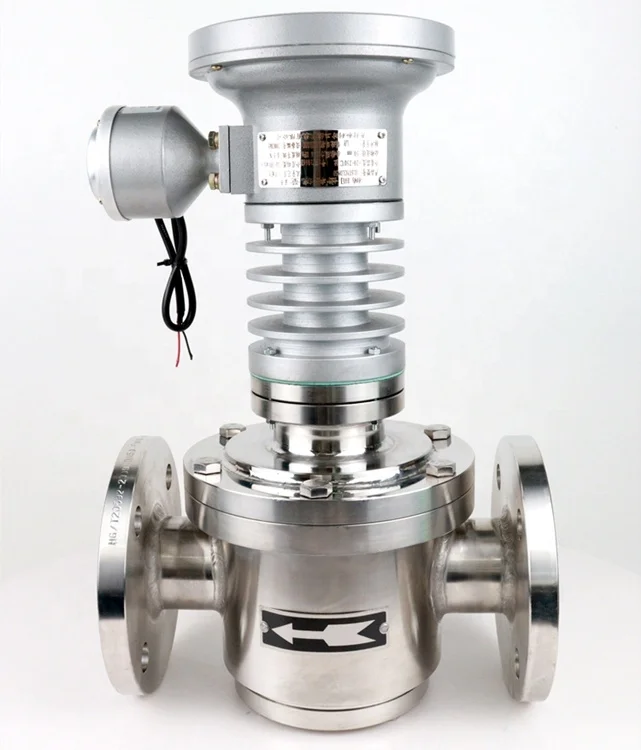
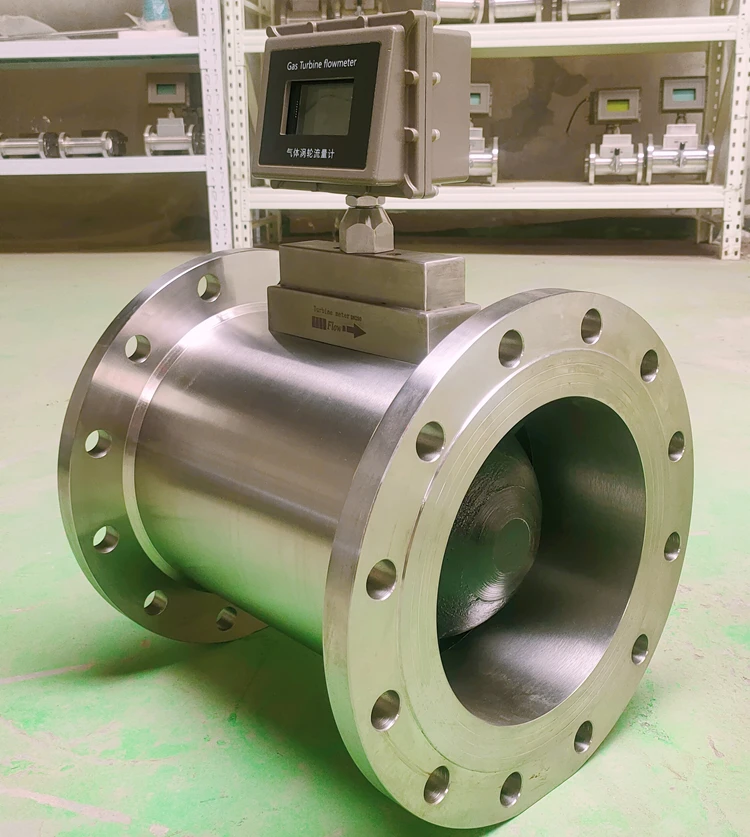
A differential pressure flow meter is a special device for measuring how fast fluids or gases are flowing in a system. It does this by comparing the pressure at two points. This difference in pressure – homeostatic pressure – is what tells us about the flow rate of the liquid or gas.
The differential pressure flow meter consists of two essential elements: the primary element and the secondary element. The active element is located in the flow and forms a pressure loss. The secondary measures the differential pressure across the primary.

The drop of the pressure which the differential flow meter is trying to measure is a very useful one for estimating the flow of fluid. When the pressure differential is greater, the flow is greater. Its the amount of this difference that the flow meter can accurately measure to provide the correct flow rate.

Various components operate together in a differential-pressure flow meter to obtain accurate flow measurements. Part of it, the “primary element,” can be something like an orifice plate or a venturi tube that causes the pressure drop. The secondary device, normally a differential pressure transducer, senses the difference in pressure and converts this to a flow rate indication.

There are several advantages in using a differential pressure flowmeter. It is dependable and has precise flow rate readings. It is also relatively less expensive than other flow meters. And it’s simple to install and maintain, so it is a viable option for a wide range of industries.
We have full-set precision calibration measurement equipment. In addition, we have obtained certification from China Institute of Metrology. This ensures that each flow meter we send from the factory is calibrated to actual flow that is precise and with a high degree of precision. I also have complete pressure and tension testing equipment and waterproof testing equipment to ensure our factory is able to withstand the rigors of and capability to design IP68 or high-pressure protection instruments. We have a strict and complete quality control differential pressure flow meter working principle. Every step of inspection process is to ensure that every product is flawless before it leaves the factory.
Our company has been working with renowned local universities for many years, recruiting educating top tech talent, which will not only guarantee our ongoing technological innovation however, it also continually improves and introduces new products. We are always able to find solutions to the various challenges pain points encountered by our customers in different projects. At the same time our talent strategy will also help develop differential pressure flow meter working principle technical skills, offering dedicated research laboratories, and cooperating with leading technology companies in the industry learn.
We have a great geographical location. We have superior geographical location. They are entrusted with cooperation; at the same at the same time, Zhengzhou City, 50 kilometers away us, is the largest railway hub in China with direct railway transport channels that connect that connect to Central Asia, Europe and Russia. Therefore, shipping us is quick and safe and there are differential pressure flow meter working principle routes to pick from.
We have first received various types certifications of approval in China and, secondly we have received the explosion-proof certification recognized by domestic coal mining industry (Ex d ia(ia Ga) q IIC T6 Gb), and are in the process of differential pressure flow meter working principle for an international ATEX certificate for explosion-proofing; in addition our manufacturing workshop has completed complete set of environmental and quality system certifications and have obtained certifications; lastly we also hold CE certificates; full ISO quality certification, etc.

Copyright © Kaifeng Kamboda Industrial Instrument Co.,Ltd All Rights Reserved - Privacy Policy