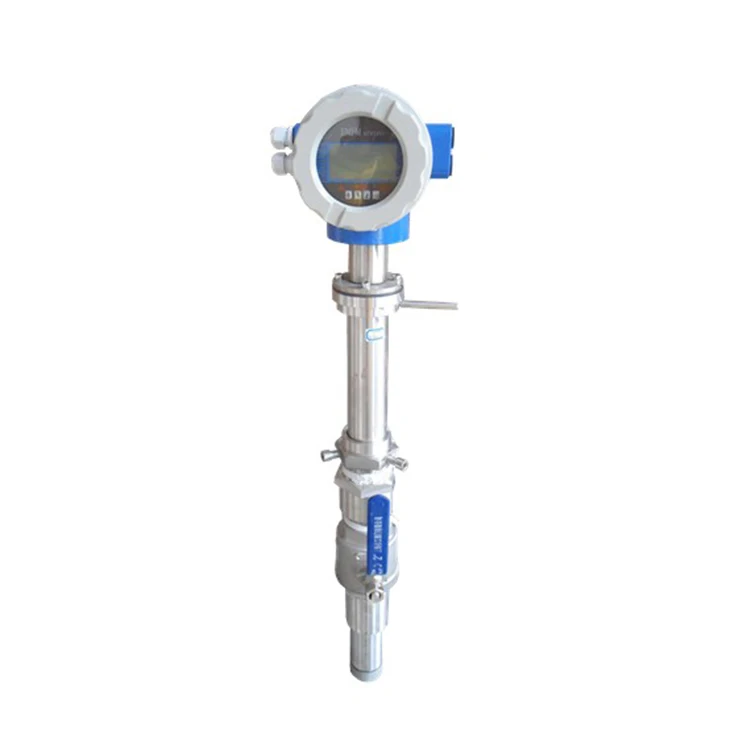
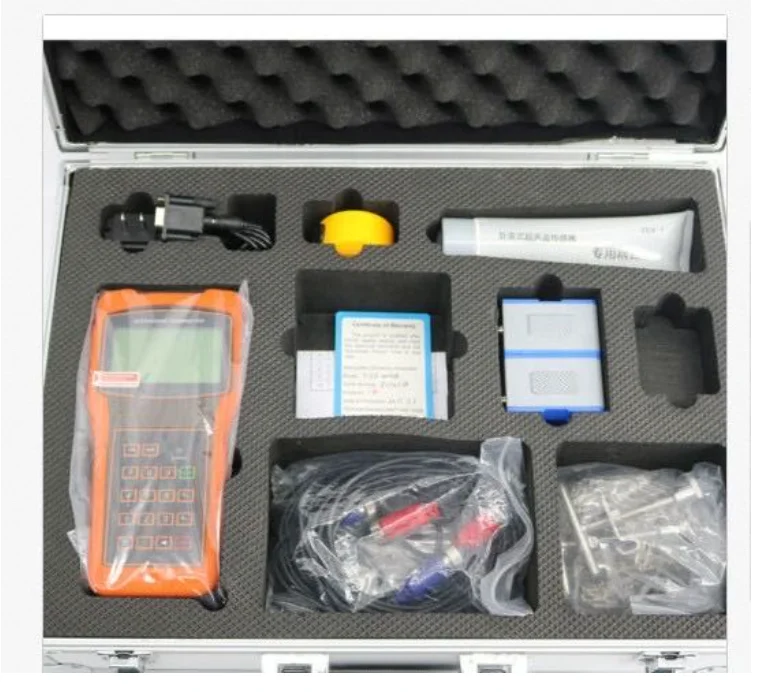
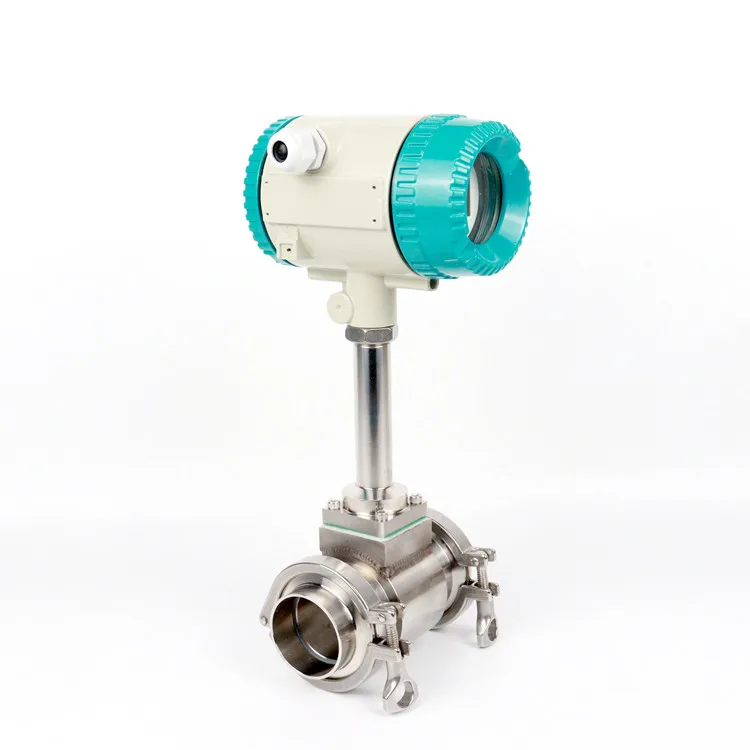
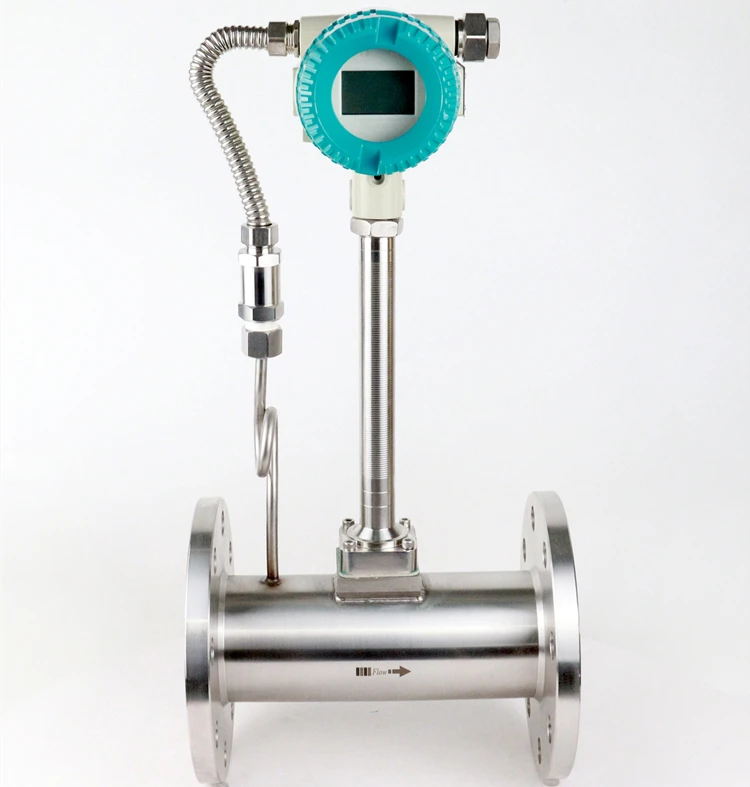
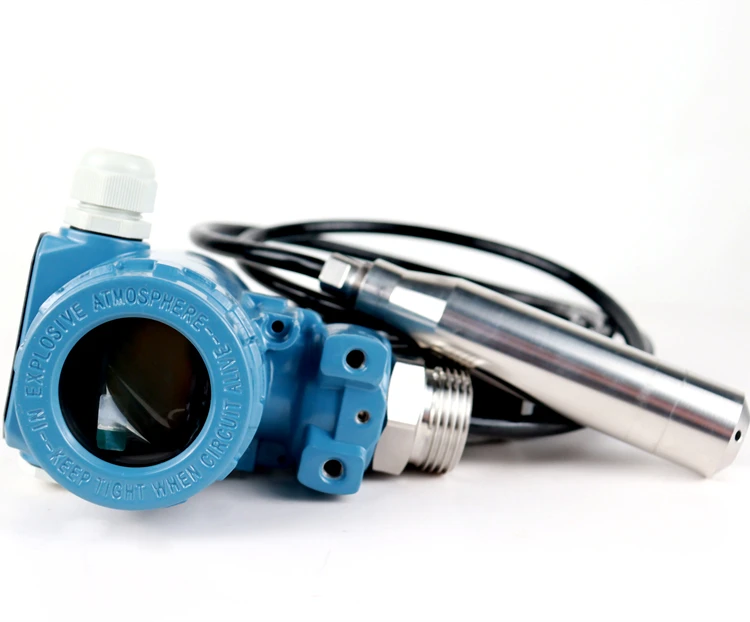
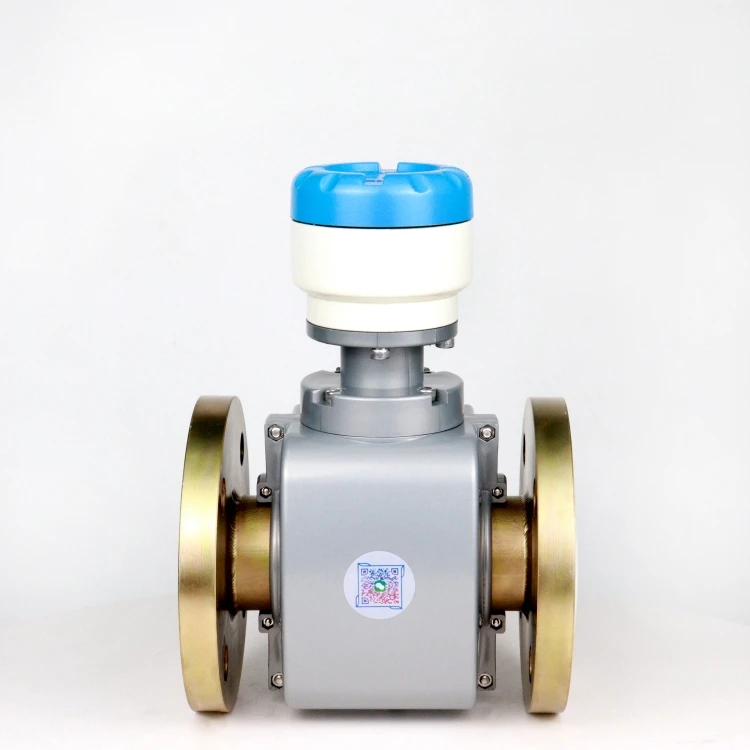
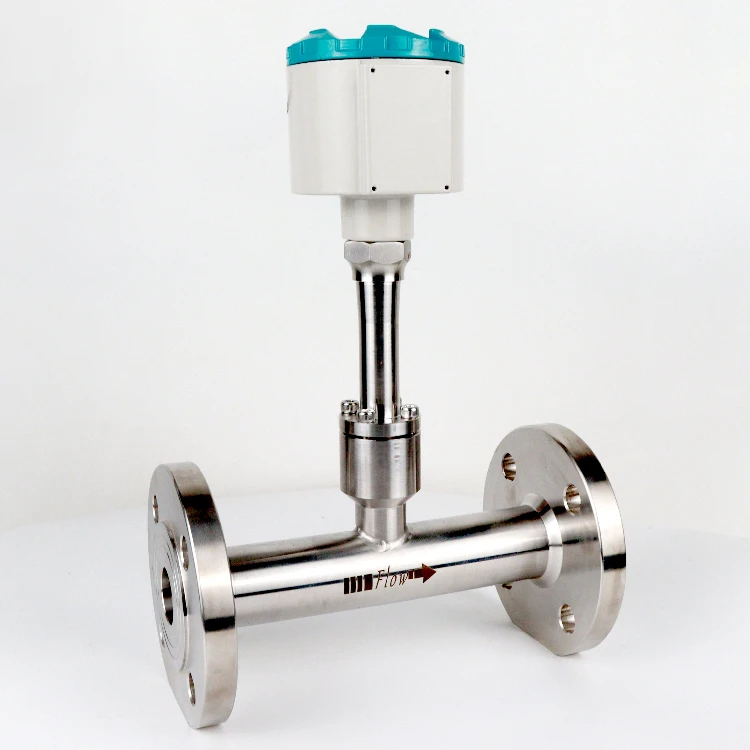
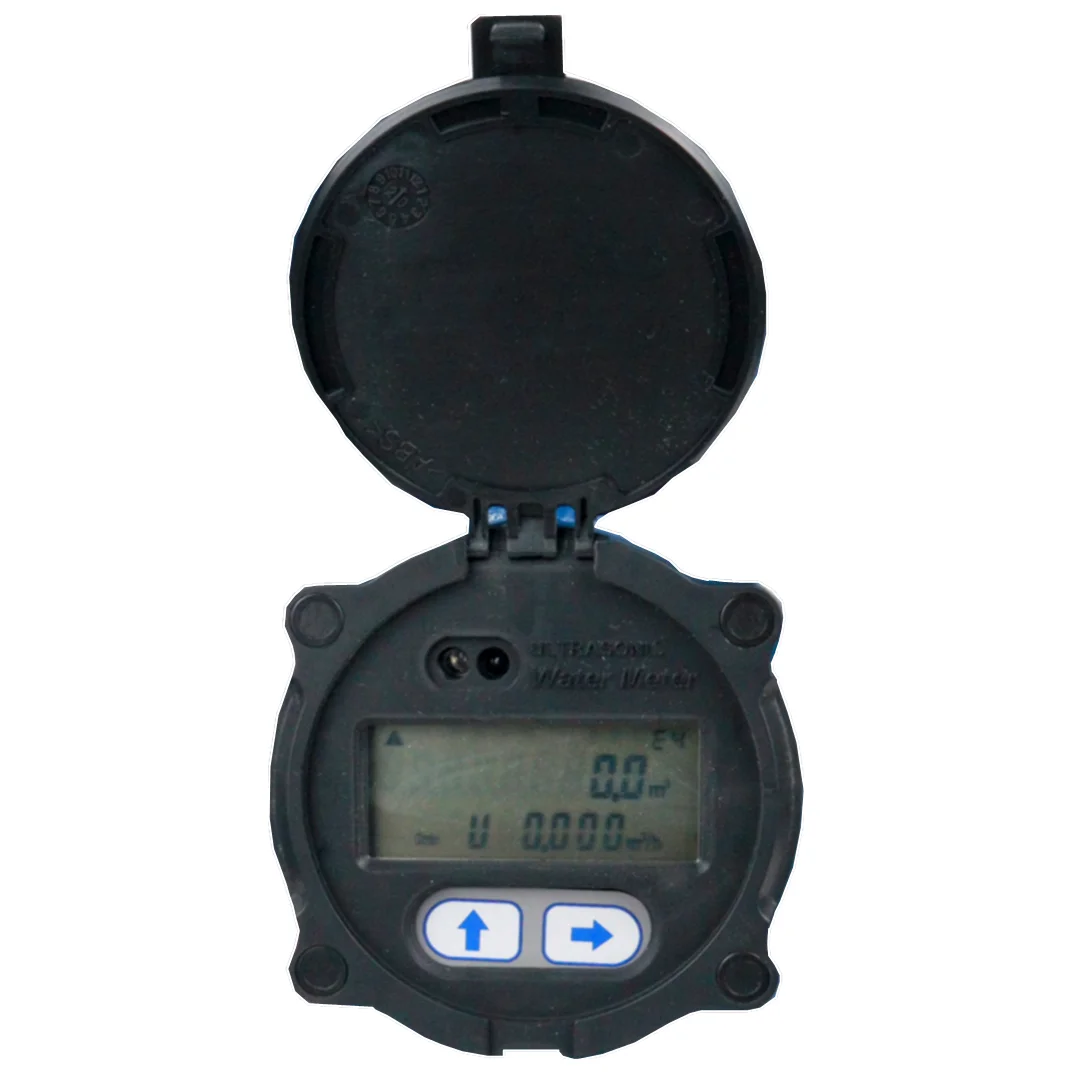
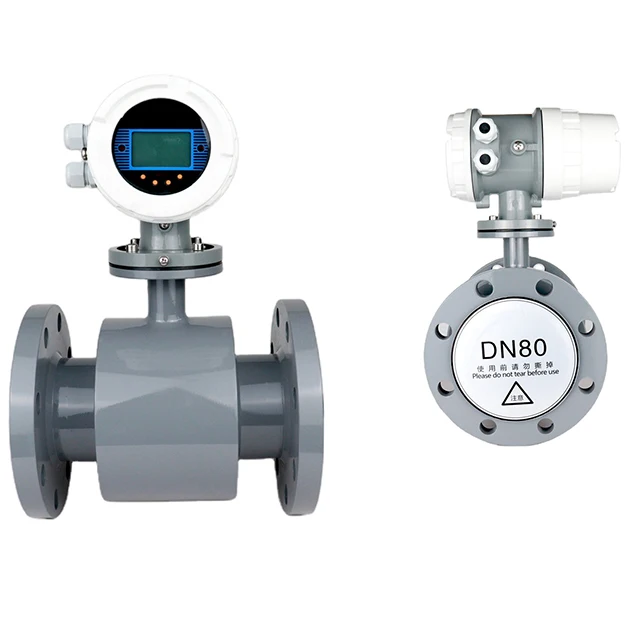
An analog flow meter is a device used to determine the speed at which a liquid or gas passes through a system. It employs a simple mechanical device to observe how the fluid flows through it. This information is then represented on a dial or scale on the analog flow meter so that it may be easily read.
While many of those tools now are digital, analog flow meters remain common in many industries. A big part of why they succeed is that they are straightforward and reliable. They don’t require electricity to operate so you can use them anywhere, even in areas without power.
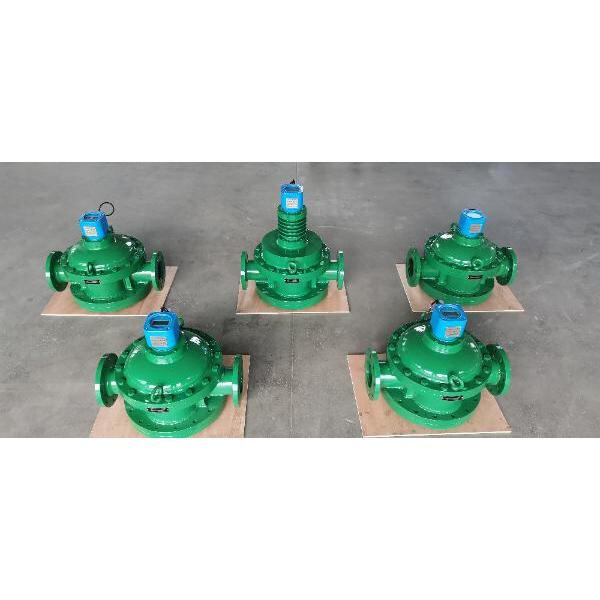
There are a couple of important things to consider when selecting an analog flow meter. First, make sure that your meters are of the type compatible with the fluid you’re measuring; meters are designed to work specifically for certain liquids and gases. And consider the speed with which the fluid will be flowing, how precise you need the measurements to be and how you will install the meter.
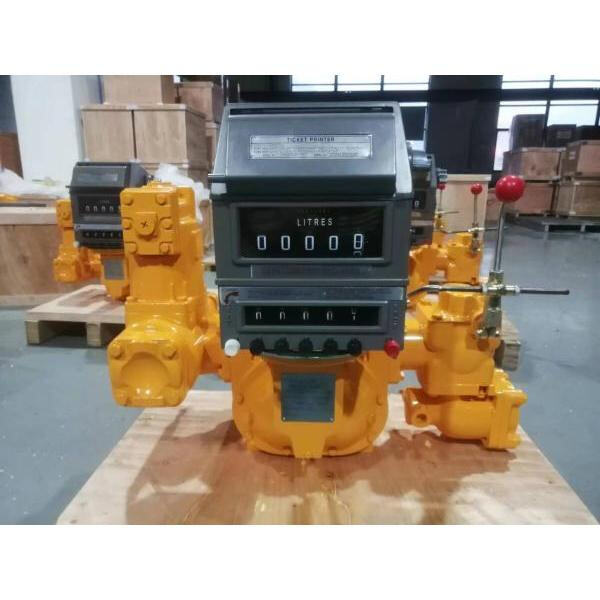
Analog flow meters have plenty of advantages. They are straightforward, dependable and user-friendly. They generally aren’t as expensive as digital flow meters so they are a wise choice for most applications. But they also can have a dark side to them. They may not be as accurate or feature-rich as digital models, and they will likely require more checking and fixing to keep them working properly.
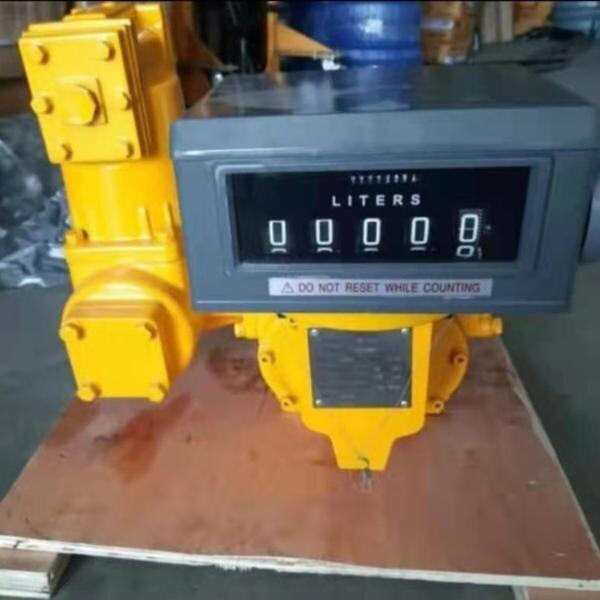
To receive precise measurements from your analog flow meter, be sure to maintain it. This can be accomplished by the manufacturer's instructions for keeping and testing the device. Also, keep in in check with a reference fairly frequently entails. Analog flow meters If you see that your analog flow meter is developing a problem, remedy that as soon as possible so you don’t have a problem later.
Our location is excellent. Within 60 kilometers, there Zhengzhou International Logistics Port, the largest air-based logistics port in Central China, with abundant options for logistics and air; there are a variety of international express companies such as FEDEX, UPS, DHL, TNT, etc. assigned to cooperate. At the same the same time, Zhengzhou City, 50 kilometers away from us is the biggest railway hub in China that has direct railway analog flow meter channels that connect that connect to Central Asia, Europe and Russia. Therefore, shipping from our country is swift and secure, and there are many routes pick from.
We have first obtained various forms approval certificates in China and, secondly we have gotten an explosion-proof certificate that is analog flow meter by the coal mining industry (Ex d ia(ia Ga) q IIC T6 Gb), and are seeking the international ATEX explosion-proof certification; in addition, our production workshop has passed a complete set environmental and quality system certifications and have obtained certificates; finally, also have CE certifications; complete ISO quality certification, etc.
We have a complete set of precise measuring calibration equipment and have been certified by the China Institute of Metrology, making sure that every flow meter that we ship out of the factory has been calibrated with real flow is accurate and true precision. I have also the complete pressure and waterproof testing equipment. This is to make sure that my facility is strong enough and able to custom-make high-pressure instruments IP68 safety. Our quality control department is completely and strict. Each step is carefully planned to make sure that the product is analog flow meter after it leaves the factory.
Our company has been working renowned local universities for several years, has been able to recruit and training the best technical talent. This will not only guarantee our ongoing technological advancement and improvement, but also constantly improves and creates new products. We are able to find solutions to different issues and pain points that customers encounter in their analog flow meter projects. However, talent strategy will also help develop professional technical talents by providing specific research labs and cooperating with advanced technology companies in the business to educate.

Copyright © Kaifeng Kamboda Industrial Instrument Co.,Ltd All Rights Reserved - Privacy Policy