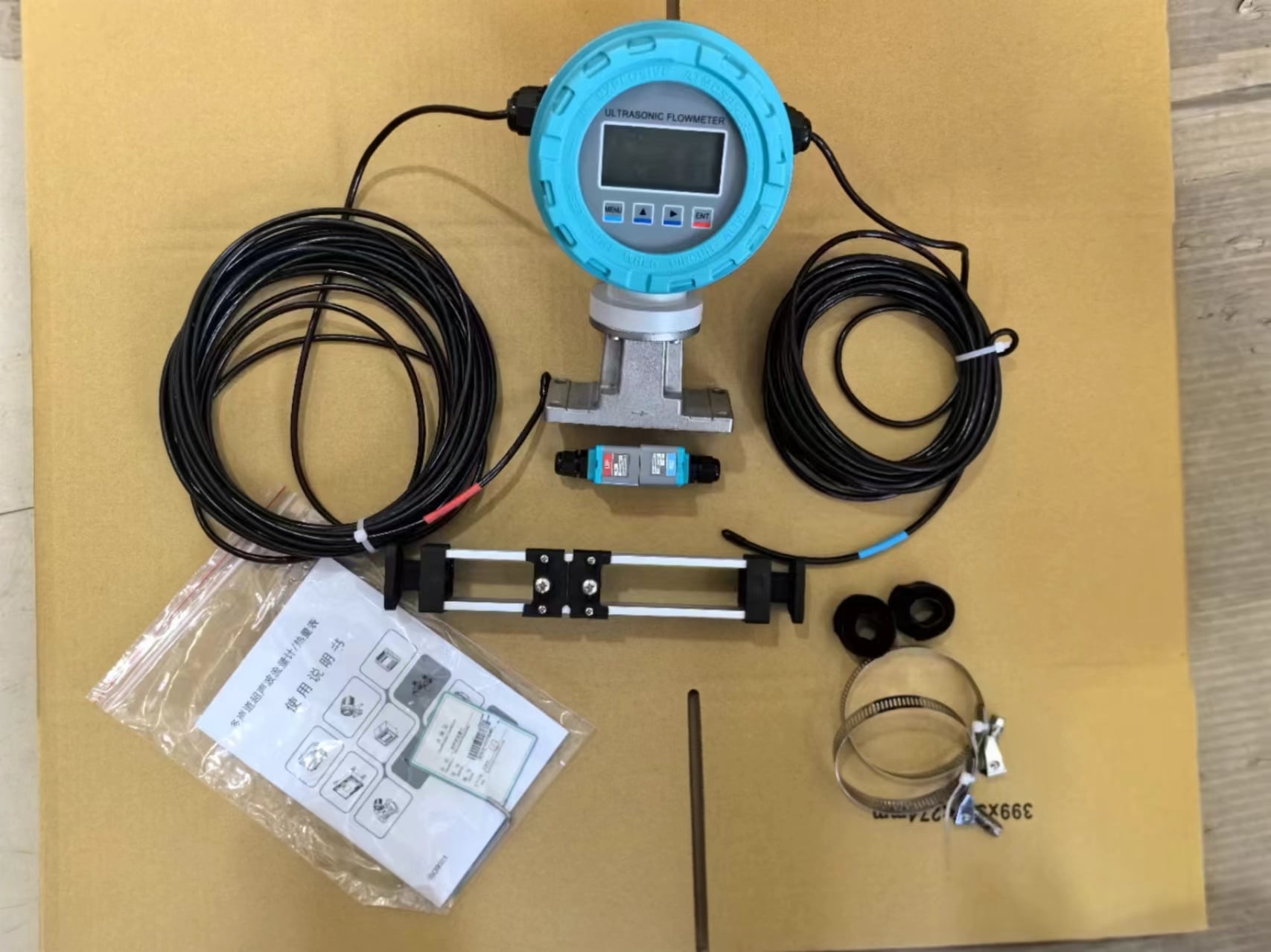
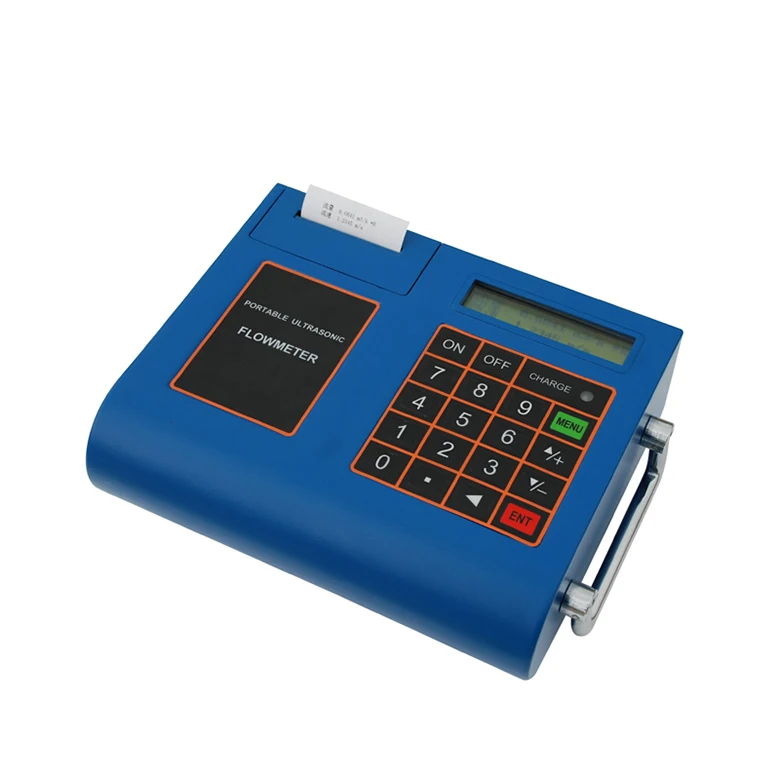
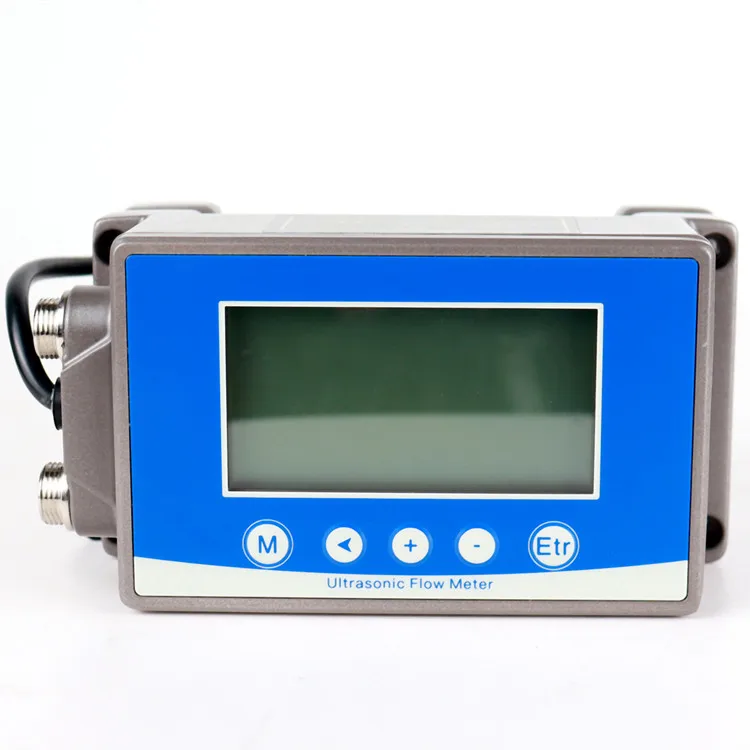
A Doppler ultrasonic flow meter is a unique device that measures the velocity of liquid in a single pipe. It also does this using sound waves. The flow meter shoots out sound waves, which ricochet off the water and return. It can then figure out how fast the water is by determining how long it took the sound waves to return.
When the flow meter emits sound waves into the water, sound waves ricochet off little things in the water, including dirt or bubbles. As the water circulates, so do these particles. They reflect the sound waves in different ways. By measuring how the sound waves change, the flow meter can determine how fast the water is flowing.

Ultrasonic waves are sound waves that are too high for people to hear. They travel through water, and they can bounce off objects. Doppler ultrasonic flow meters send out these waves and listen for their echo to learn how fast the water is moving. That’s useful because it doesn’t have to make a cut in the pipe or stop water in order to check the flow.

Using sound waves to determine the velocity of water, the Doppler ultrasonic flow meter. They are transformed as sound waves bounce off particles traveling in the water. This adjustment enables the flow meter to determine the speed of the water. Although the same sensor also detects the second-order Doppler-shifted return wave, it is also used to emit ultrasonic waves. The Doppler-shifted wave results from the backscatter of the emitted wave light and by continuously transmitting and receiving sound speeds in the receiving sound wave, the flow meter can provide precise and real-time information on water flow.

One advantage to using a Doppler ultrasonic flow meter is that it doesn’t have to touch the water, so it’s relatively simple to install and use. But it can be less precise if the water lacks sufficient suspended particles to bounce the sound waves. It is possible even when the water is very clean.
We have a complete set of precise measurement calibration equipment and have obtained certification from the China Institute of Metrology, which ensures that every flowmeter we send out of our factory is calibrated using real flow and has precise and precise. I also have all the necessary waterproof and pressure testing equipment. This is to be sure that the factory I run is equipped with capacity and strength to build high-pressure instruments, or IP68 safety. We have a strict and thorough quality inspection department, and every step of the inspection doppler ultrasonic flow meter working principle is to ensure every product is flawless once it has left the factory.
We have received various certifications China. Second, we have obtained the certificate of explosion proof recognized by the coal mining industry in China (Ex d IA (ia Ga) q T6 Gb) We are also trying to obtain the international ATEX certificate. Furthermore, our manufacturing doppler ultrasonic flow meter working principle has passed the necessary certifications and certificates our quality system, environmental system, and have obtained CE certifications.
Since many years our company has collaborated with some of most prestigious universities in the nation to attract and train top technical talent, which guarantees that we're always expanding and adding new products. We have always found solutions to various issues and pain points faced by different customers in various projects. In the meantime, our talent strategy will also help develop professional technical talents, providing dedicated doppler ultrasonic flow meter working principle laboratories working with companies that are at the forefront of technology the field to study.
We are situated in a premium geographical location. Within 60 kilometers, there Zhengzhou International Logistics Port, the largest air-based logistics port in Central China, with abundant logistic and air options; there are many international doppler ultrasonic flow meter working principle companies such as FEDEX, UPS, DHL, TNT, etc. Zhengzhou City is 50 km away, is biggest railway hub in China. It has direct railroad transportation routes that connect that connect to Central Asia, Europe, and Russia. Thus, shipping from us is fast and secure and there are plenty of routes to pick from.

Copyright © Kaifeng Kamboda Industrial Instrument Co.,Ltd All Rights Reserved - Privacy Policy