উল্ট্রাসোনিক ফ্লো সেন্সরে সঠিক ফ্লো মেজারমেন্টের জন্য উন্নত পদ্ধতি
প্রবাহ মাপন তেল ও গ্যাস, রসায়ন, জল প্রক্রিয়াকরণ এবং খাদ্য উৎপাদনের মতো বিভিন্ন শিল্পে ব্যবহৃত হয়। এটি নিশ্চিত করে যে প্রক্রিয়াগুলি সুচারুভাবে চলছে এবং উৎপাদনকে অপটিমাইজ করে খরচ কমায়। উদাহরণস্বরূপ, মেকানিক্যাল ফ্লো মিটারগুলি খুব সटিক নয় এবং অনেক ধরনের তরলের সাথে ব্যবহার করা যায় না। এই KAMBODA আল্ট্রাসোনিক ফ্লো মিটার অগ্রগামী কারণ তারা সঠিক ডেটা প্রদান করে, দীর্ঘ জীবন আয়ু রয়েছে এবং প্রায় সभी শিল্পে কাজ করতে পারে।
আলোকপ্রতিফলন প্রবাহ সেন্সরের শিল্পের উপর প্রভাব
আলোকপ্রতিফলন প্রবাহ সেন্সর তরলের গতি নির্ধারণ করে তরলের মধ্য দিয়ে বিভিন্ন কোণে শব্দ তরঙ্গ প্রেরণ করে—অতএব বেগ। এটি নন-কনট্যাক্ট পদ্ধতি যা ব্যাবহারকে ব্যাহত না করে অবিকল ইনস্টলেশন অনুমতি দেয় এবং নিয়মিতভাবে বিস্ফোরক তরঙ্গ জেনারেটরে কollapse হয়।
আরও বিস্তারিতভাবে, উদাহরণস্বরূপ, ফ্লো সেন্সর ব্যবহার করা যেতে পারে একটি নির্দিষ্ট পাইপ মাধ্যমে যে তরল প্রবাহিত হচ্ছে তার পরিমাণ নির্ধারণের জন্য; এছাড়াও এটি তাপমাত্রা অনুধাবন, চাপ বা ঘনত্ব এবং শিল্পীয় স্বয়ংক্রিয়করণের সাথে সংশ্লিষ্ট অন্যান্য দিকগুলি অন্তর্ভুক্ত করতে পারে যখন কোনও বিশেষ প্রক্রিয়া পরিচালনা করা হয়। এগুলি গ্যাস, তরল এবং স্লারি ব্যাপক পরিসরের ফ্লো হার ম্যানেজ করতে পারে।
ডিড জিজাইট আউট পাস এ স্টেপ অ্যান্ড ইউজ অল্ট্রাসোনিক ফ্লো সেন্সর্স টু সেন্সর এনি মিসম্যাচ-প্রোন ড্রিলিং
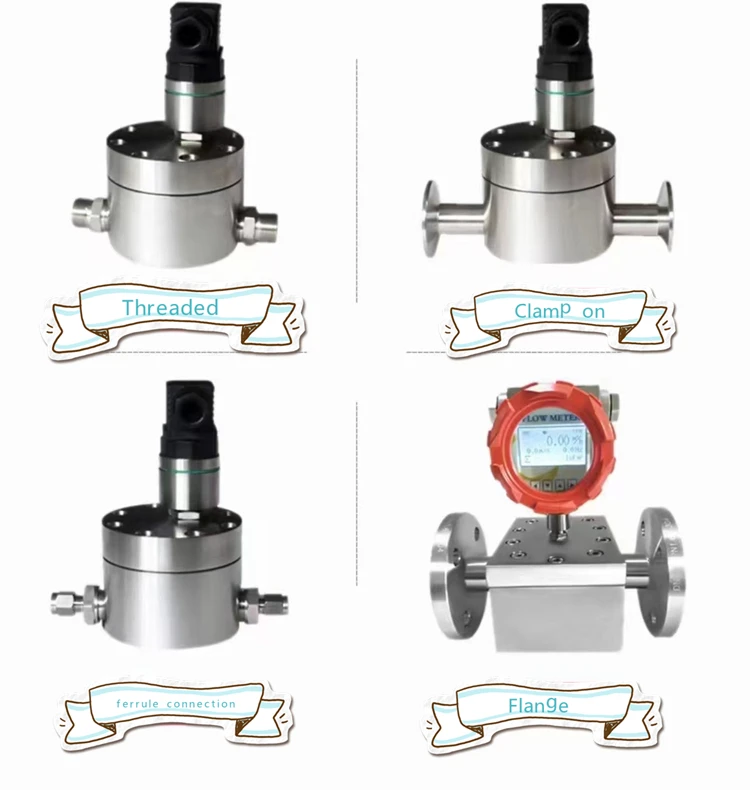
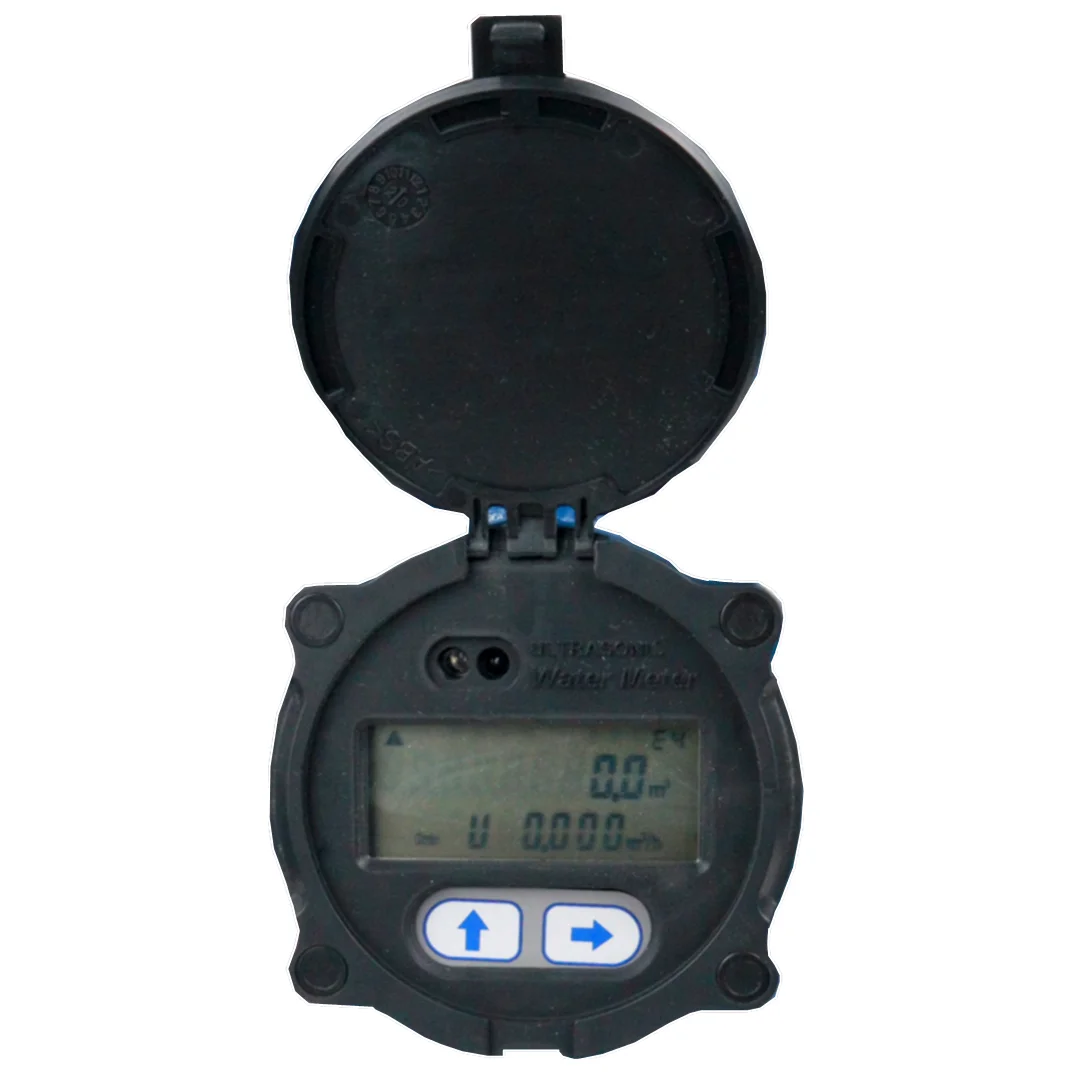
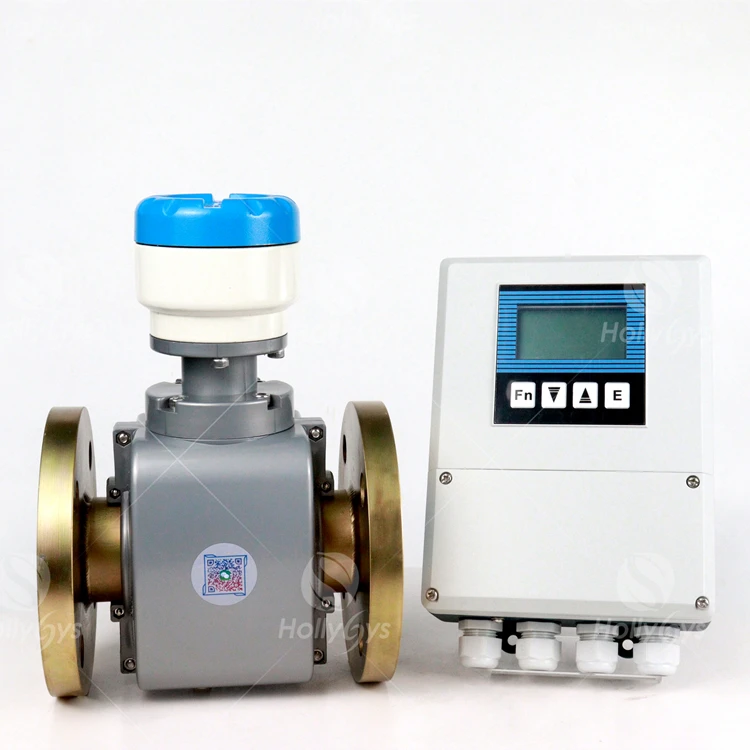
প্রকার: এটি ট্রানজিট টাইম অল্ট্রাসোনিক ফ্লো সেন্সর প্রযুক্তি, যা সাধারণত দুটি ট্রানজিটার ব্যবহার করে, যেখানে একটি সংকেত জেনারেটর হিসেবে কাজ করে যা তরলের মধ্য দিয়ে শব্দ তরঙ্গ পাঠায়, আর অন্যটি নির্দিষ্ট দৈর্ঘ্যের পরে ডাউনস্ট্রিমে স্থাপিত পরিমাপক সেন্সর হিসেবে কাজ করে (চিত্র 1)। এই যন্ত্রগুলি তরল কী গতিতে চলছে তা নির্ণয় করতে একটি শব্দ সংকেতের উপরস্রোত এবং অধঃস্রোতে ভ্রমণের সময় পরিমাপ করে। ছাড়াও, ট্রানজিটারগুলিকে বিভিন্ন কোণে স্থাপন করে তরল মাধ্যমের মধ্যে পাইপের ভেতরে তাদের দিকনির্দেশনা বা গতির প্যাটার্নের তিন-মাত্রিক চিত্র দেখা যেতে পারে। একাধিক ট্রানজিটারের উপর ভিত্তি করে জটিল অ্যালগরিদম দুর্বল প্রবাহের বিরুদ্ধে উত্তম স্থিতিশীলতা প্রদান করে।
অল্ট্রাসোনিক ফ্লো সেন্সরের প্রয়োগ
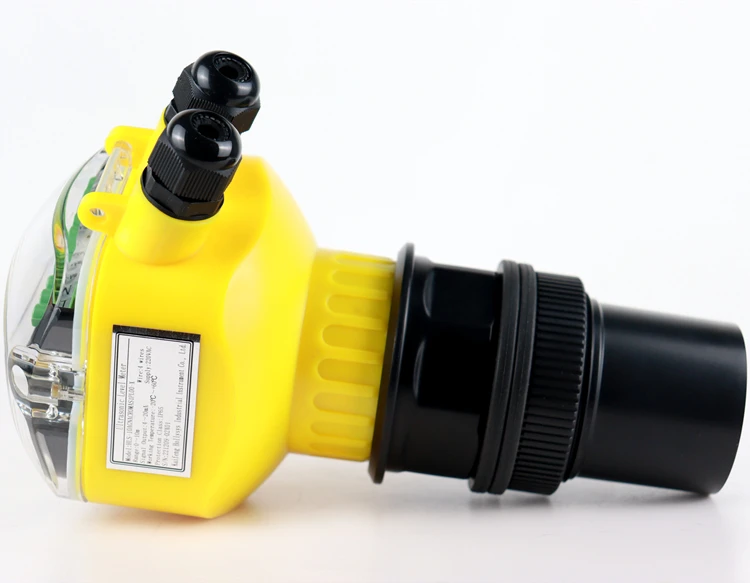
অল্ট্রাসোনিক লেভেল মিটার ব্যবহারের উদাহরণ। কারোশিব এবং অনেক সময় খতরনাক, নন-কনট্যাক্ট তরল পরিমাপ যেমন রসায়ন বা পেট্রোকেমিক্যাল ফ্লো:
জল প্রক্রিয়াকরণ – প্রভাবশালী প্রতিষ্ঠানগুলি জল এবং তলপানির প্রবাহ মাপতে সক্ষম হয় যা বিভিন্ন পাইপের আকারের মাধ্যমে প্রক্রিয়াকরণের দক্ষতা এবং পরিবেশ সংরক্ষণের উন্নয়ন করে
খাদ্য এবং পানীয় উৎপাদন: গুণবাত নিয়ন্ত্রণ এবং বেসরকারি পরিচালনের মাধ্যমে তরল প্রবাহের সঠিক মাপে কোনো অপচয় নেই
এইচভিএসি এবং শক্তি: গরম, ঠাণ্ডা এবং বায়ু প্রবাহন ব্যবস্থায় তরল প্রবাহ; গ্যাস প্রবাহ নিরীক্ষণ করে শক্তি ব্যবহার কমিয়ে খরচ কমানো
ឧদূষ্ণ: গাড়ী এবং বিমান (ইঞ্জিনে জ্বালানী/তেলের প্রবাহ মাপতে পারে যা দক্ষতা বাড়ানো এবং ছাঁটানোর কমিয়ে দেয়)
অতিশব্দ ফ্লো মিটারের সুবিধা এবং অসুবিধা
এগুলি হল এই ধরনের পরিবেশগত মাপক সাধারণত অন্যান্য ধরনের (যেমন গড়া ভিত্তিক সিস্টেম) থেকে ভাল হওয়ার কিছু কারণ; এটি জায়গায় ইনস্টল করা আরও সহজ, স্কেলে ঠিকভাবে মাপা যায়, ফলে এটি একটি সূচক হিসেবে তার আপেক্ষিক শক্তি বা দুর্বলতা সম্পর্কে তথ্য দেয় যা বাস্তব সময়ে নিরীক্ষণ সম্ভব করে। তবে, এই সেন্সরগুলি দ্রুত উচ্চ খরচের ও ভৌত পরামিতি দ্বারা প্রভাবিত হয়, যা তরল বা বাহ্যিক উপাদান যেমন শব্দ/বুদবুদ দ্বারা প্রভাবিত হয়।
অতিধ্বনি ফ্লো সেন্সরের ধরণ - টাইম-অফ-ফ্লাইট এবং ডপলার। কিছু ট্রানজিট-টাইম সেন্সর অতিধ্বনি পালসের যাত্রা সময় নির্ধারণ করে যা স্রোতের সাথে বা বিপরীতে চলে, অন্যদিকে অন্যান্য সেন্সর গতি মাপতে ফ্রিকোয়েন্সি সরণ (ডপলার) ব্যবহার করে। এপ্লিকেশনটি নির্ধারণ করবে যে একটি ধরন অন্যটির চেয়ে বেশি পছন্দসই হবে কিনা।
সংক্ষেপে বলতে গেলে, অতিধ্বনি ফ্লো সেন্সর উচ্চ নির্ভরশীলতা এবং শুদ্ধতা দিয়ে সরাসরি গতি অনুভূমিক অনুধাবনের মতো অ্যাপ্লিকেশনগুলোকে সম্ভব করেছে। যদিও পূর্ণাঙ্গভাবে সঠিক না হওয়া সত্ত্বেও, KAMBODA ফ্লো মিটার আগের পদ্ধতিগুলোকে সরাসরি অনেক বেশি মার্জিনে ছাড়িয়ে যায় এবং এগুলো ফ্লো মাপনের জন্য ক্ষেত্র মানদণ্ড হিসেবে আরও বেশি গ্রহণযোগ্য হচ্ছে।
অতিধ্বনি ফ্লো সেন্সর দ্বারা প্রভাবিত শিল্প
ウルトラソニック フローメーター টেকনোলজির পিছনে থাকা তত্ত্বটি হলো শব্দ তরঙ্গ ব্যবহার করে তরলের বেগ এবং তারপর গতি মাপা হয়। সুতরাং, জাঁচের সময় শক্তি তরঙ্গ ডিভাইসে কোনো ব্যাঘাত ছাড়াই একটি ব্যথা ছাড়া ইনস্টলেশন প্রক্রিয়া সম্ভব করে। ফ্লো হার মাপার বাইরেও এই সেন্সরগুলি অন্যান্য প্যারামিটার যেমন তাপমাত্রা, চাপ এবং তরলের ঘনত্ব মাপতে পারে যা শিল্প প্রক্রিয়া স্বয়ংশাসনের একটি সম্পূর্ণ ছবি দেয়। এগুলি ব্যাপক ফ্লো হারের জন্য গ্যাস, তরল এবং স্লারি জন্য ব্যবহৃত হতে পারে।
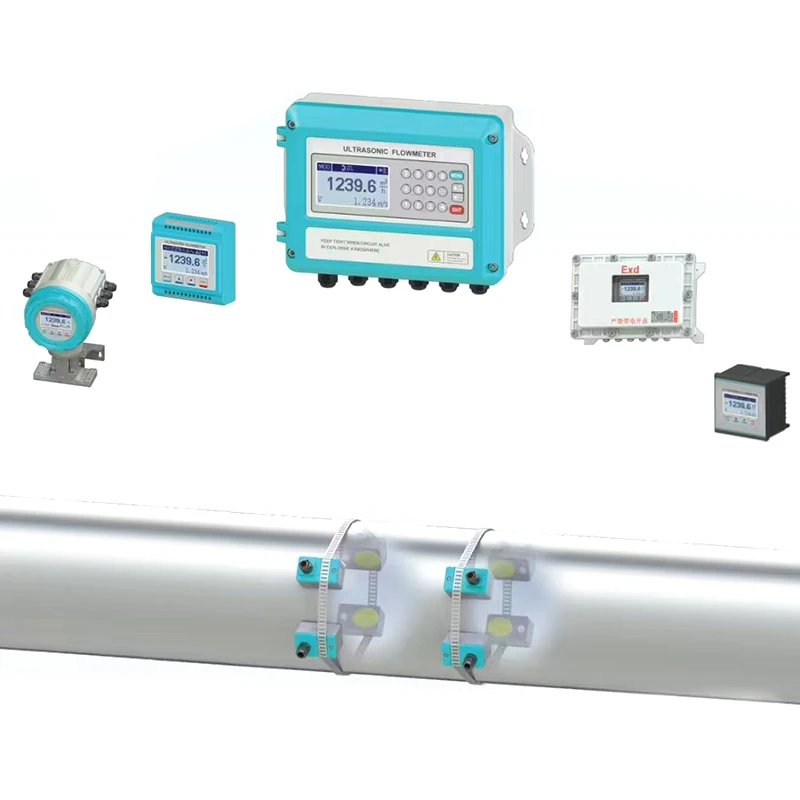
ウルトラソニック トランスデューサー দুটি উপাদান দ্বারা গঠিত; একটি ট্রান্সমিটার হিসাবে কাজ করে এবং তরলের মধ্য দিয়ে শব্দ তরঙ্গ পাঠায় যখন অন্যটি রিসিভার হিসাবে কাজ করে যা নিচে নির্দিষ্ট দূরত্বে মাপা হয়। কাম্বোডা ফ্লো রেট সেন্সর একটি তরলের গতি হিসাব করে শব্দ তরঙ্গটি নদীপ্রবাহের অনুকূল এবং প্রতিকূলে যেতে কত সময় লাগে তা মেপে। ট্রানজাক্টারগুলি ভিন্ন কোণে স্থাপন করা যেতে পারে এই ব্যাপারটি তাদের একাধিক দিকে গতি মেপতে সক্ষম করে যা প্রক্রিয়া-তরলের গতির একটি তিন-মাত্রিক ছবি তৈরি করে। প্রবাহের দ্বারা উৎপন্ন ব্যাঘাতের নিয়ন্ত্রণ না করলে একাধিক ডিভাইস এবং জটিল অ্যালগরিদম ব্যবহার করে প্রদত্ত সুনির্দিষ্ট স্তরের সমান সুনির্দিষ্টতা অর্জন করা সম্ভব নয়।
অল্ট্রাসোনিক ফ্লো সেন্সর কোথায় ব্যবহৃত হয়
অল্ট্রাসোনিক ফ্লো সেন্সর নিম্নলিখিত দিকে ব্যাপকভাবে ব্যবহৃত হয়েছে:
যে রসায়ন বা পেট্রোরাসায়নিক প্রবাহের মতো করোশিভ এবং অনেক সময় খতরনাক তরল মাপতে যেকোনো সংস্পর্শ ছাড়াই কিভাবে
জল প্রক্রিয়াকরণ - বিভিন্ন পাইপ আকারে জল এবং অপচয়িত জলের প্রবাহ মাপতে ভালো উপযুক্ত, যা উৎপাদনশীল প্রক্রিয়াকরণ কার্যক্রম নিশ্চিত করে এবং পরিবেশগত মান মেনে চলে
খাদ্য ও পানীয় তৈরি: তরলের ফ্লো রেটকে সঠিকভাবে মাপা, গুণবত্তা নিয়ন্ত্রণ এবং উন্নত ব্যবস্থাপনা দিয়ে অপচয় কমানো
এইচভিএসি এবং শক্তি: গরম, ঠাণ্ডা এবং বায়ু নিয়ন্ত্রণ ব্যবস্থায় তরল প্রবাহ; গ্যাস ফ্লো নিরীক্ষণ জন্য শক্তি ব্যয় ও খরচ কমানোর জন্য
অটোমোবাইল এবং আয়ারোস্পেস: ইঞ্জিন এবং টারবাইনে জ্বালানি এবং তেলের প্রবাহ মাপার জন্য পারফরম্যান্স উন্নয়ন এবং ছাপ কমানোর জন্য
আল্ট্রাসোনিক ফ্লো মিটার ব্যবহারের সুবিধা ও অসুবিধা
সাধারণত, অল্ট্রাসোনিক ফ্লো সেন্সর সহজে ইনস্টল করা যায়; তারা উচ্চ সঠিকতা হার রয়েছে; তারা বিভিন্ন পরিবেশে ব্যবহার করা যেতে পারে; এবং তারা প্রক্রিয়া উন্নয়ন সম্ভব করে যা সত্যকার সময়ে নিরবচ্ছিন্ন নিরীক্ষণ অনুমতি দেয়। তবে, এই সেন্সরগুলি কিছু অসুবিধা থেকে ভুগে, যেমন উচ্চ শুরুর খরচ এবং অন্যান্য তরলের বৈশিষ্ট্য বা বাহ্যিক উৎস যেমন বাবল বা শব্দের দ্বারা ব্যাহত হয়।
অল্ট্রাসোনিক ফ্লো সেন্সরের ধরন
ウルトラソニック フローセンサে রোধ এবং বিপরীত দিকে গতির সাথে একটি উল্ট্রাসোনিক পালসের যাত্রা সময় মাপতে কিছু ট্রানজিট-টাইম সেন্সর আছে, অন্যদিকে কিছু ফ্রিকোয়েন্সি সরণ (ডোপলার) ব্যবহার করে বেগ নির্ধারণ করে। এটি প্রতিটি অ্যাপ্লিকেশন টাইপের শক্তিগুলি এবং দুর্বলতার উপর ভিত্তি করে নির্ধারণ করা যায়।
সংক্ষেপে বলতে গেলে, উল্ট্রাসোনিক ফ্লো সেন্সর উচ্চ নির্ভরশীলতা এবং সঠিকতা দক্ষতা এর জন্য অ্যাপ্লিকেশনের শিল্পকে বিপ্লব ঘটায়েছে। যদিও পূর্ণাঙ্গ না হওয়া সত্ত্বেও, তা পূর্ববর্তী পদ্ধতিগুলি সহজেই ছাড়িয়ে গেছে এবং ফ্লো মেজারমেন্টের জন্য ক্ষেত্র মানদণ্ড হিসেবে প্রতিষ্ঠিত হচ্ছে।
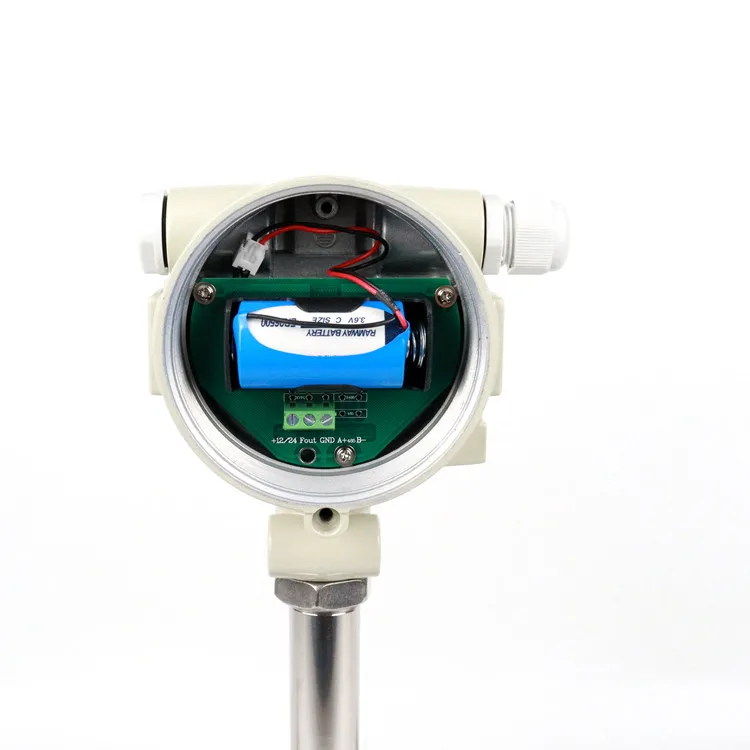
সাধারণত, অল্ট্রাসোনিক ফ্লো সেন্সর সহজে ইনস্টল করা যায়; তারা উচ্চ সঠিকতা হার রয়েছে; তারা বিভিন্ন পরিবেশে ব্যবহার করা যেতে পারে; এবং তারা প্রক্রিয়া উন্নয়ন সম্ভব করে যা সত্যকার সময়ে নিরবচ্ছিন্ন নিরীক্ষণ অনুমতি দেয়। তবে, এই সেন্সরগুলি কিছু অসুবিধা থেকে ভুগে, যেমন উচ্চ শুরুর খরচ এবং অন্যান্য তরলের বৈশিষ্ট্য বা বাহ্যিক উৎস যেমন বাবল বা শব্দের দ্বারা ব্যাহত হয়।
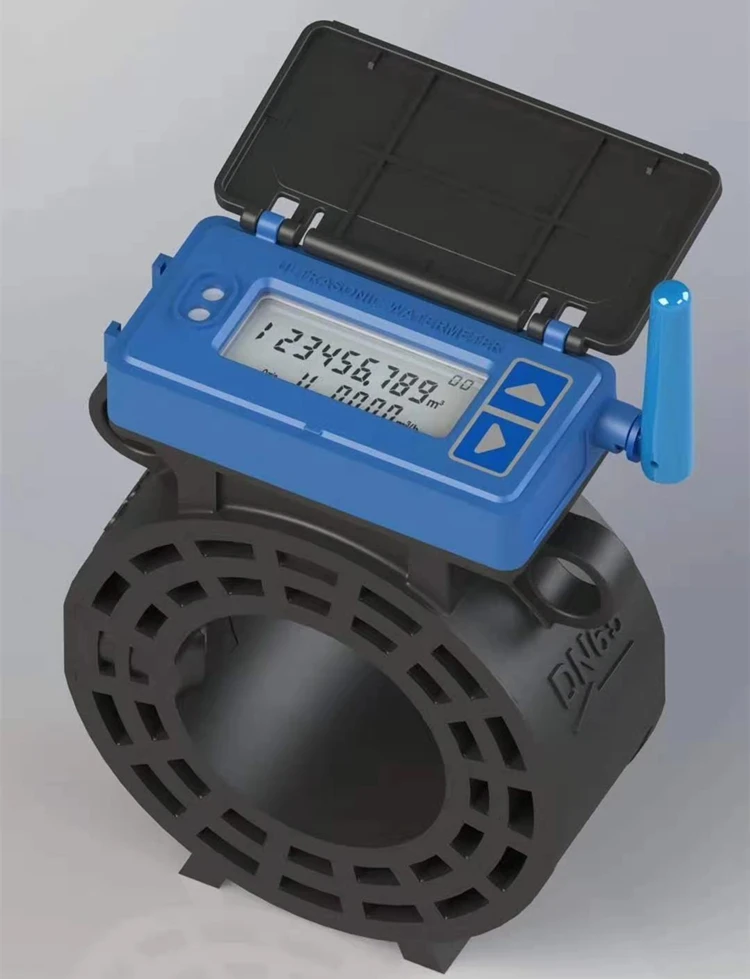
ウルトラソニック フローセンサে রোধ এবং বিপরীত দিকে গতির সাথে একটি উল্ট্রাসোনিক পালসের যাত্রা সময় মাপতে কিছু ট্রানজিট-টাইম সেন্সর আছে, অন্যদিকে কিছু ফ্রিকোয়েন্সি সরণ (ডোপলার) ব্যবহার করে বেগ নির্ধারণ করে। এটি প্রতিটি অ্যাপ্লিকেশন টাইপের শক্তিগুলি এবং দুর্বলতার উপর ভিত্তি করে নির্ধারণ করা যায়।
সংক্ষেপে বলতে গেলে, উল্ট্রাসোনিক ফ্লো সেন্সর উচ্চ নির্ভরশীলতা এবং সঠিকতা দক্ষতা এর জন্য অ্যাপ্লিকেশনের শিল্পকে বিপ্লব ঘটায়েছে। যদিও পূর্ণাঙ্গ না হওয়া সত্ত্বেও, তা পূর্ববর্তী পদ্ধতিগুলি সহজেই ছাড়িয়ে গেছে এবং ফ্লো মেজারমেন্টের জন্য ক্ষেত্র মানদণ্ড হিসেবে প্রতিষ্ঠিত হচ্ছে।
অনেক বছর ধরে আমরা দেশের কয়েকটি সর্বোচ্চ প্রতিষ্ঠিত বিশ্ববিদ্যালয়ের সঙ্গে যৌথভাবে কাজ করে আসছি, যাতে সর্বোত্তম প্রযুক্তিগত প্রতিভা আকর্ষণ করা এবং তাদের প্রশিক্ষণ দেওয়া যায়। এর ফলে আমরা অলট্রাসনিক ফ্লো সেন্সর উন্নত করছি এবং নতুন পণ্য যোগ করছি। আমরা আমাদের ক্লায়েন্টদের বিভিন্ন প্রকল্পের সাথে সম্পর্কিত বিভিন্ন সমস্যা ও চ্যালেঞ্জের জন্য সমাধান খুঁজে পাই। তবে, আমাদের প্রতিভা উন্নয়ন পরিকল্পনার মধ্যে প্রযুক্তিগত প্রতিভার বিকাশ ঘটানো, শীর্ষস্থানীয় প্রযুক্তি কোম্পানিগুলোর সহযোগিতায় নির্দিষ্ট গবেষণা ল্যাব পরিচালনা করা এবং শিল্প ক্ষেত্রে নতুন প্রযুক্তি বিকাশের কাজ অন্তর্ভুক্ত রয়েছে।
আমরা প্রথমে চীনে বিভিন্ন ধরনের অনুমোদন সার্টিফিকেট অর্জন করেছি; দ্বিতীয়ত, আমরা জাতীয় খনন শিল্প দ্বারা স্বীকৃত বিস্ফোরণ-প্রতিরোধী সার্টিফিকেট (Ex d ia(ia Ga) q IIC T6 Gb) অর্জন করেছি এবং আন্তর্জাতিক ATEX বিস্ফোরণ-প্রতিরোধী সার্টিফিকেট অর্জনের চেষ্টা করছি। এছাড়াও, আমাদের উৎপাদন কারখানায় সম্পূর্ণ মান প্রমাণীকরণ এবং আল্ট্রাসাউন্ড ফ্লো সেন্সর সিস্টেম প্রমাণীকরণ সম্পন্ন হয়েছে এবং সার্টিফিকেট প্রাপ্ত হয়েছে। শেষ পর্যন্ত, আমরা CE প্রমাণীকরণ এবং সম্পূর্ণ ISO মান প্রমাণীকরণ সহ অন্যান্য প্রমাণীকরণও ধারণ করি।
আমাদের একটি অত্যন্ত উত্তম ভৌগোলিক অবস্থান রয়েছে। আমাদের ভৌগোলিক অবস্থান অত্যন্ত শ্রেষ্ঠ। সহযোগিতার জন্য তারা আমাদের উপর বিশ্বাস করেন; একই সময়ে, আমাদের থেকে ৫০ কিলোমিটার দূরে অবস্থিত ঝেংঝৌ শহর হল চীনের বৃহত্তম রেলওয়ে হাব, যার সরাসরি রেল পরিবহন চ্যানেলগুলি মধ্য এশিয়া, ইউরোপ এবং রাশিয়ার সাথে সংযুক্ত। ফলে, আমাদের কাছে পাঠানো দ্রুত ও নিরাপদ হয় এবং আল্ট্রাসাউন্ড ফ্লো সেন্সর পরিবহনের জন্য বিভিন্ন রুট বিকল্প রয়েছে।
আমাদের একটি সম্পূর্ণ সেট নির্ভুল পরিমাপ ও ক্যালিব্রেশন সরঞ্জাম রয়েছে, যা চীন মেট্রোলজি ইনস্টিটিউট থেকে সার্টিফিকেশন লাভ করেছে। এটি নিশ্চিত করে যে আমরা যে প্রতিটি ফ্লো মিটার কারখানা থেকে পাঠাই, তা প্রকৃত ফ্লো-এর সাপেক্ষে ক্যালিব্রেট করা হয় এবং এর নির্ভুলতা ও সঠিকতা অত্যন্ত উচ্চমানের। আমার কাছে পানিসহ রোধক ও চাপ পরীক্ষার জন্য প্রয়োজনীয় সমস্ত সরঞ্জামও রয়েছে। এটি নিশ্চিত করে যে আমি যে কারখানা পরিচালনা করি, তা উচ্চ চাপের যন্ত্রপাতি তৈরির ক্ষমতা রাখে—যা কাস্টম-ডিজাইন করা হতে পারে অথবা IP68 সুরক্ষা স্তরের হতে পারে। আমাদের একটি কঠোর ও সম্পূর্ণ মান নিয়ন্ত্রণ বিভাগ রয়েছে। অলট্রাসনিক ফ্লো সেন্সরের প্রতিটি পর্যায় এমনভাবে ডিজাইন করা হয়েছে যাতে প্রতিটি পণ্য কারখানা থেকে বের হওয়ার পর সম্পূর্ণ নিখুঁত অবস্থায় থাকে।

কপিরাইট © কৈফেং ক্যামবোডা ইন্ডাস্ট্রিয়াল ইনস্ট্রুমেন্ট কো., লিমিটেড সর্ব অধিকার সংরক্ষিত - গোপনীয়তা নীতি