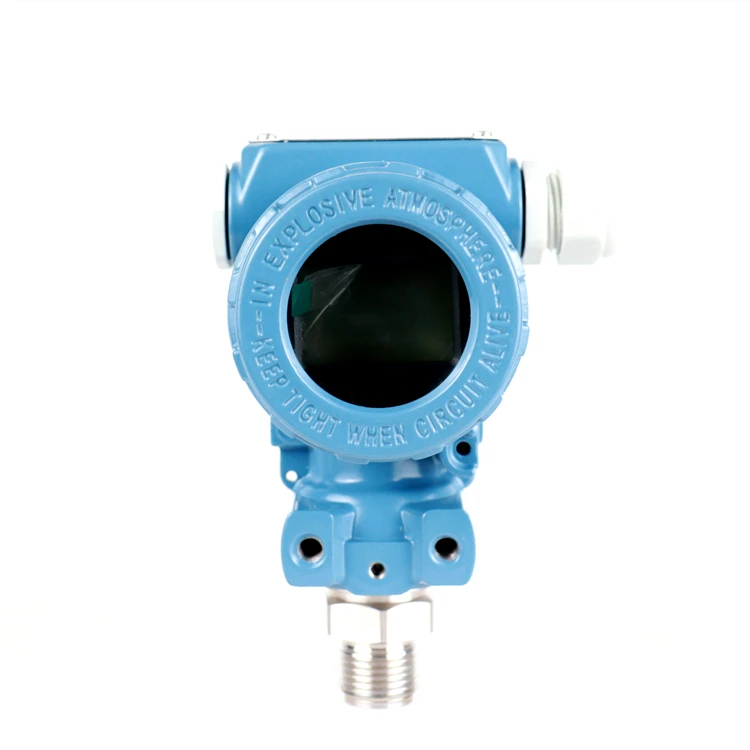
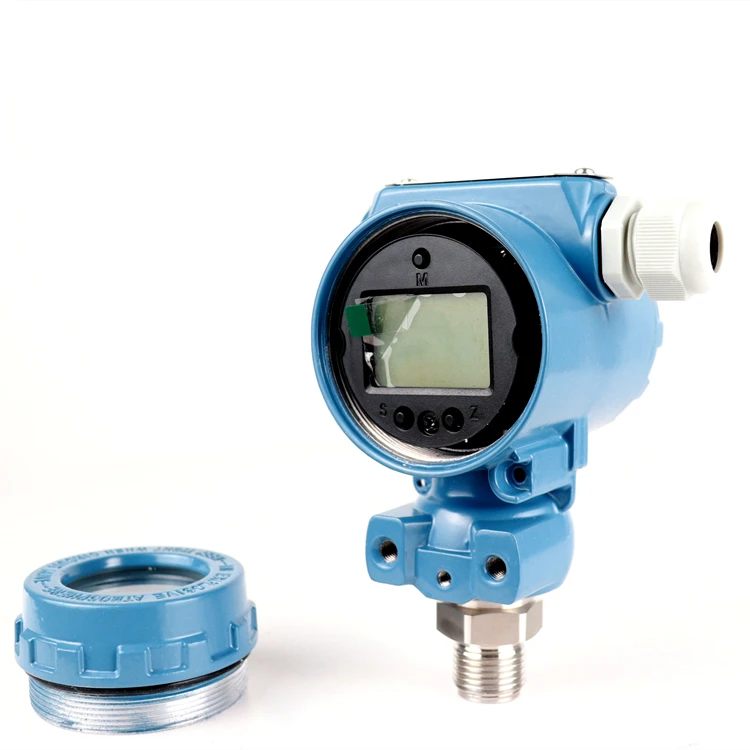
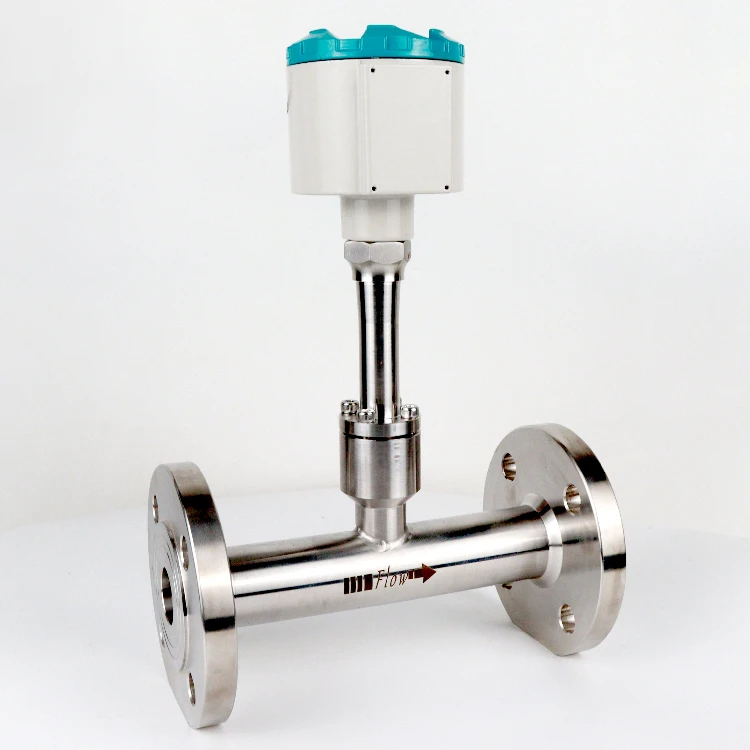
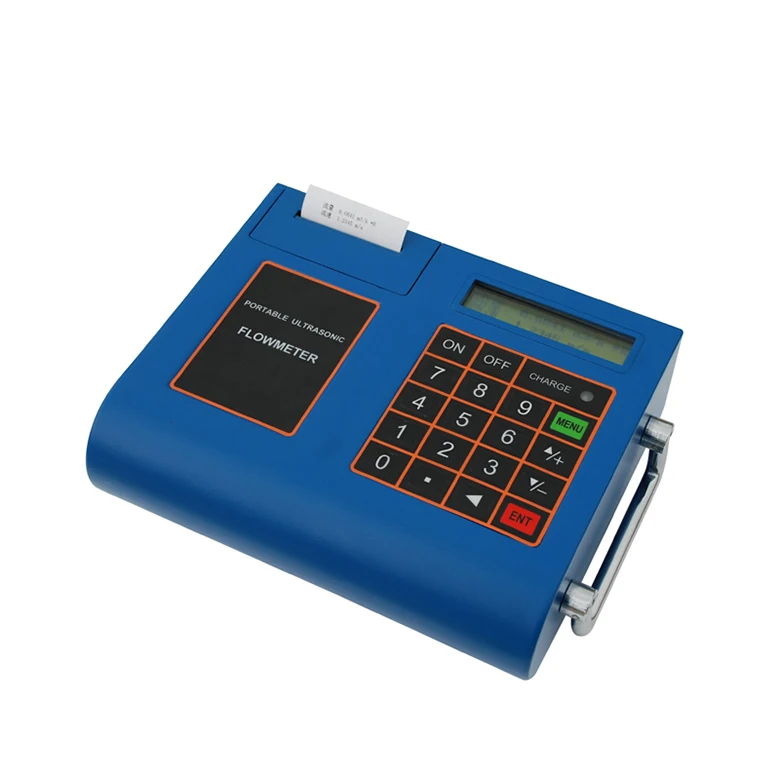
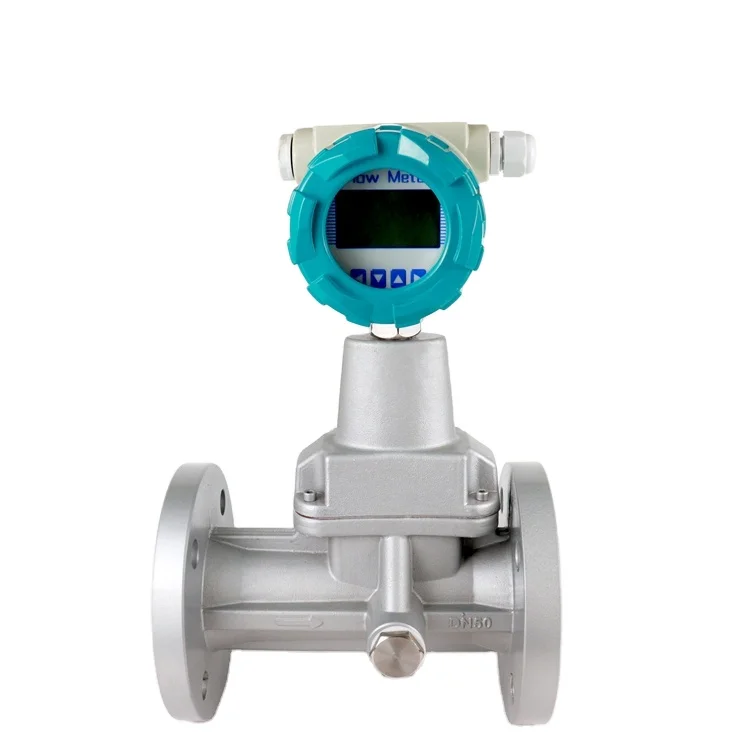
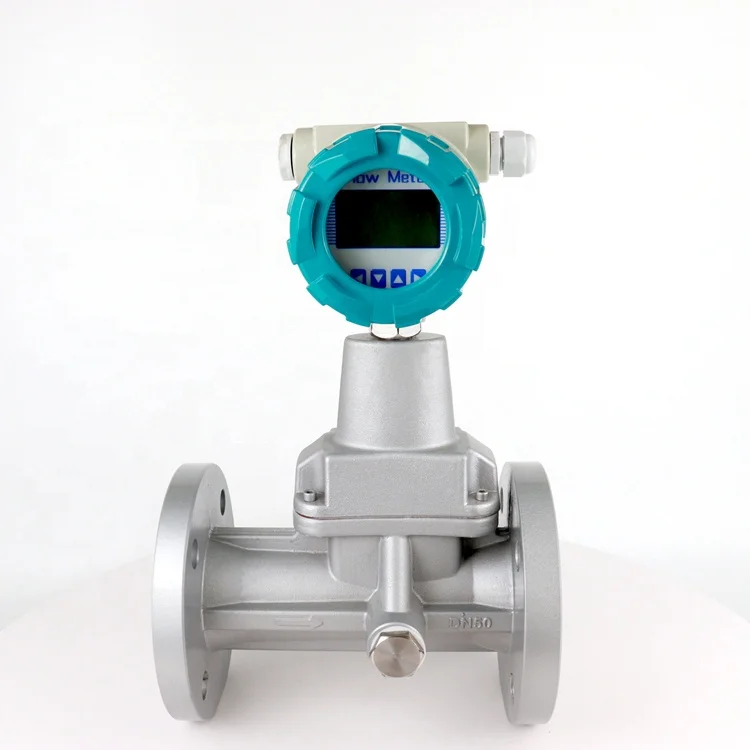
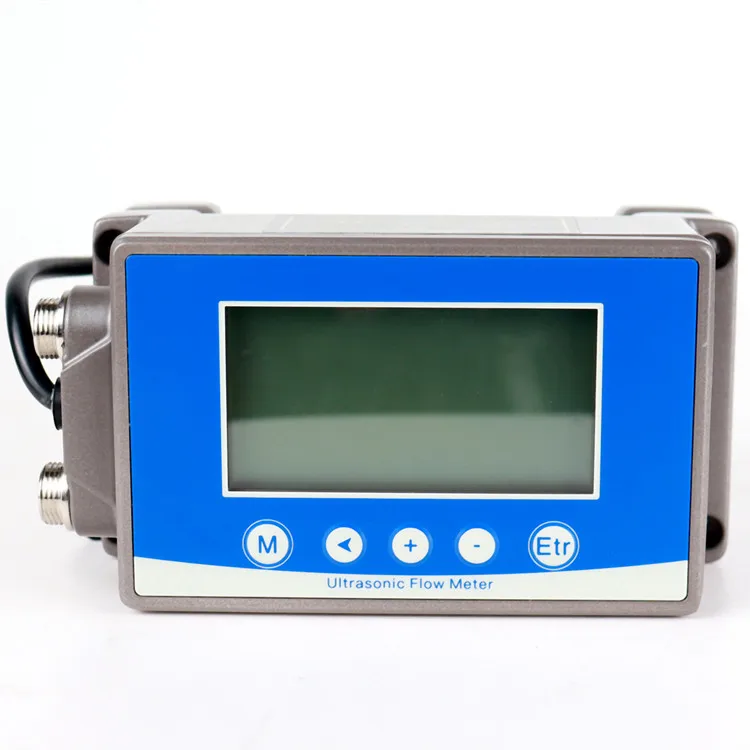
Pressure gauges are instruments used to determine the amount of pressure in the gases and liquids in containers. You see them in factories, where the goal is to know the pressure in order to insure safety and make things work better. Pressure gauges convert pressure into a movement that’s displayed on a dial with numbers and lines.
Factory pressure gauges help ensure that machines are operating safely. At a soda can factory, for instance, pressure gauges monitor pressure within cans to prevent them from exploding. Lacking those gauges, workers would not know whether the pressure was too high or too low, which would invite accidents.
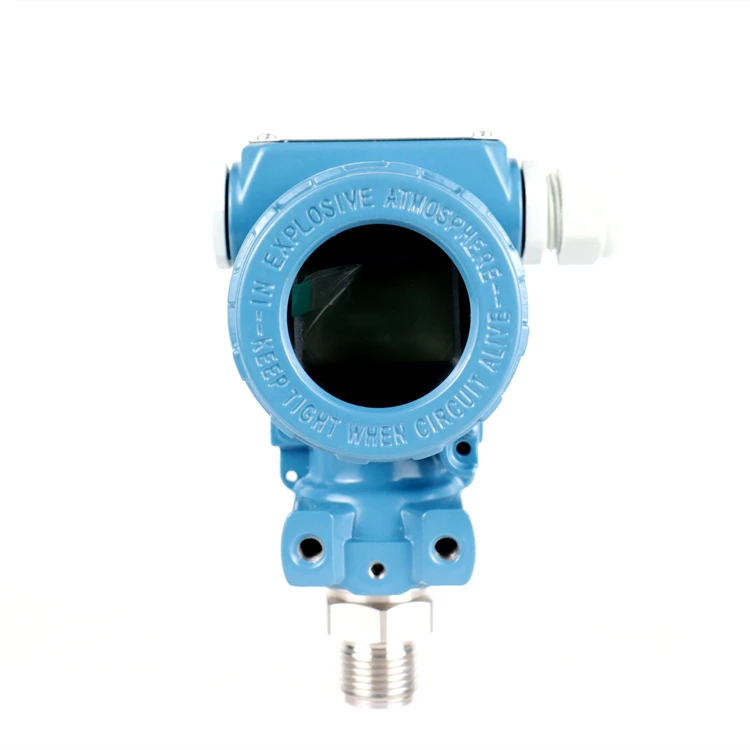
When selecting a pressure gauge, consider what type of pressure you wish to measure, how much pressure there will be and the location of the gauge. There are several types of gauges which include bourdon tube gauges, diaphragm gauges, and digital gauges. It’s important in getting the correct readings to choose the correct one.
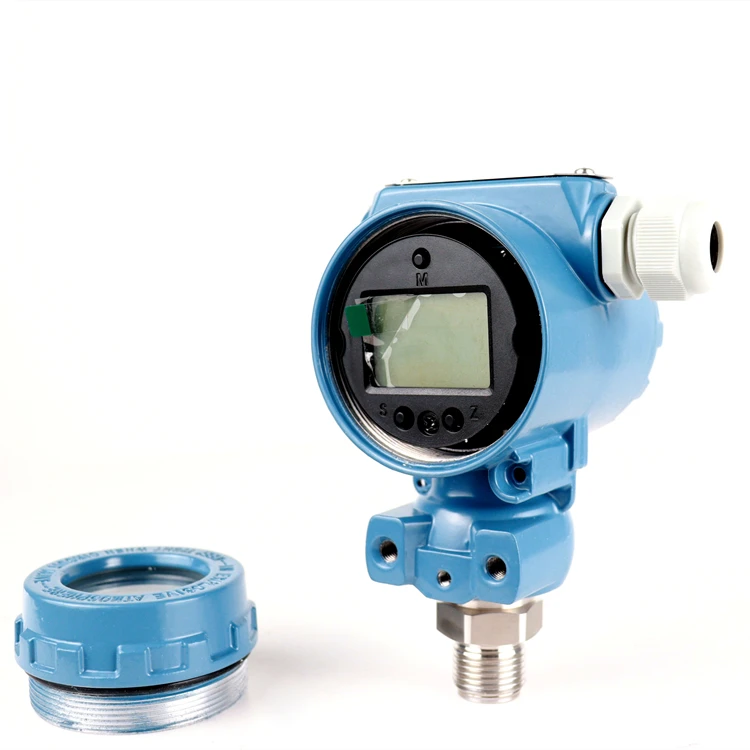
How to Read a Pressure Gauge Reading a pressure gauge is relatively simple. The needle of the dial shifts right or left correspondingly to the pressure. The gauge will have numbers on the dial representing the units of pressure, usually psi or kPa (pounds per square inch or kilopascals). The markings must be looked-at and read-off properly in order to avoid errors.
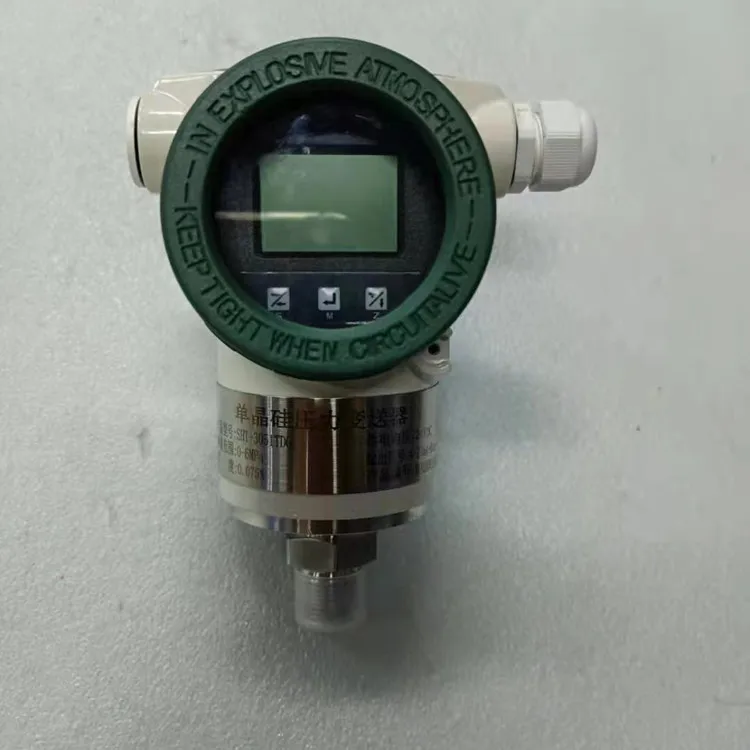
To ensure that a pressure gauge provides accurate measurements, it should be tested regularly. This is called calibration. Calibration refers to comparing the gauge’s reading to a known standard and making adjustments as necessary. (If a gauge is improperly calibrated, it can yield incorrect readings, which can be very dangerous in a factory.). Workers can be confident the readings are accurate and reliable by checking gauges regularly.
We have a complete set of precise measurement calibration equipment and have obtained certification from the China Institute of Metrology, which ensures that every flowmeter we send out of our factory is calibrated using real flow and has precise and precise. I also have all the necessary waterproof and pressure testing equipment. This is to be sure that the factory I run is equipped with capacity and strength to build high-pressure instruments, or IP68 safety. We have a strict and thorough quality inspection department, and every step of the inspection pressure gauge is to ensure every product is flawless once it has left the factory.
We have first obtained various forms approval certificates in China and, secondly we have gotten an explosion-proof certificate that is pressure gauge by the coal mining industry (Ex d ia(ia Ga) q IIC T6 Gb), and are seeking the international ATEX explosion-proof certification; in addition, our production workshop has passed a complete set environmental and quality system certifications and have obtained certificates; finally, also have CE certifications; complete ISO quality certification, etc.
Our company has been cooperating renowned universities in the country for several years, has been able to recruit and training top technical talent. This will not only guarantee our ongoing technological advancement, but also continuously improves and introduces new products. We can find solutions to various problems and issues that our customers encounter in their various projects. The talent plan we have developed also helps to develop professionals with pressure gauge skills by providing specific research labs for and collaborating within the industry with top technology company's study.
We are situated in a premium geographical location. Within 60 kilometers, there Zhengzhou International Logistics Port, the largest air-based logistics port in Central China, with abundant logistic and air options; there are many international pressure gauge companies such as FEDEX, UPS, DHL, TNT, etc. Zhengzhou City is 50 km away, is biggest railway hub in China. It has direct railroad transportation routes that connect that connect to Central Asia, Europe, and Russia. Thus, shipping from us is fast and secure and there are plenty of routes to pick from.

Copyright © Kaifeng Kamboda Industrial Instrument Co.,Ltd All Rights Reserved - Privacy Policy