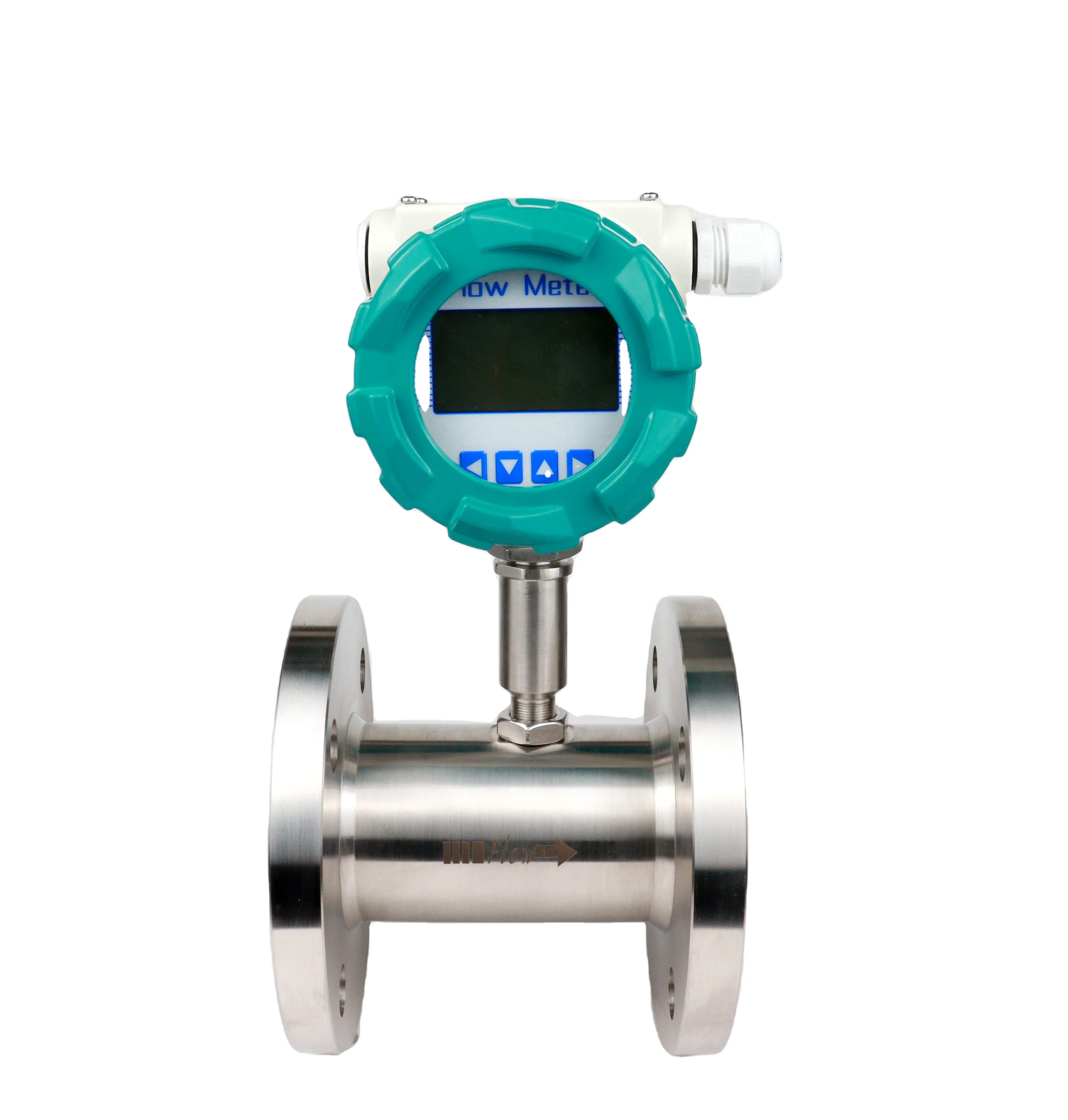
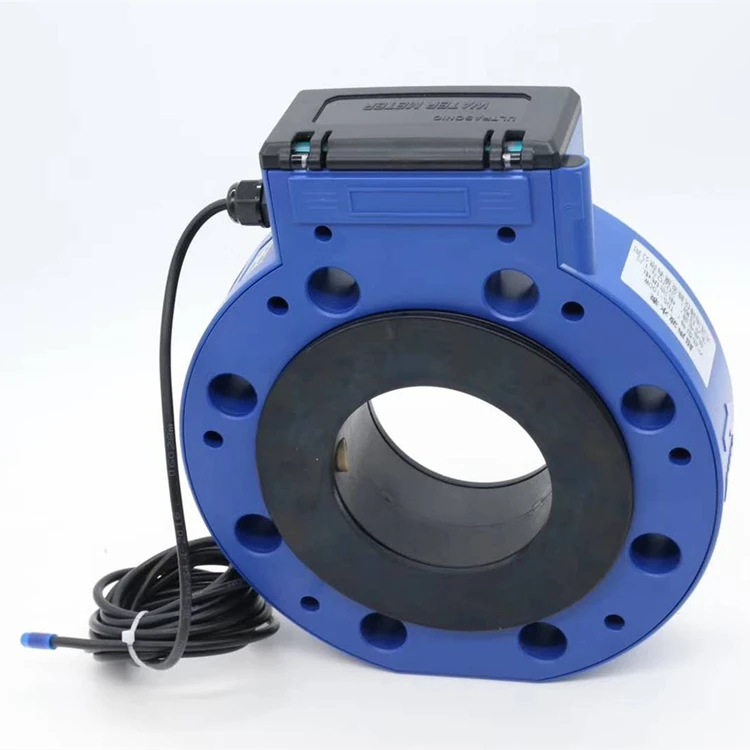
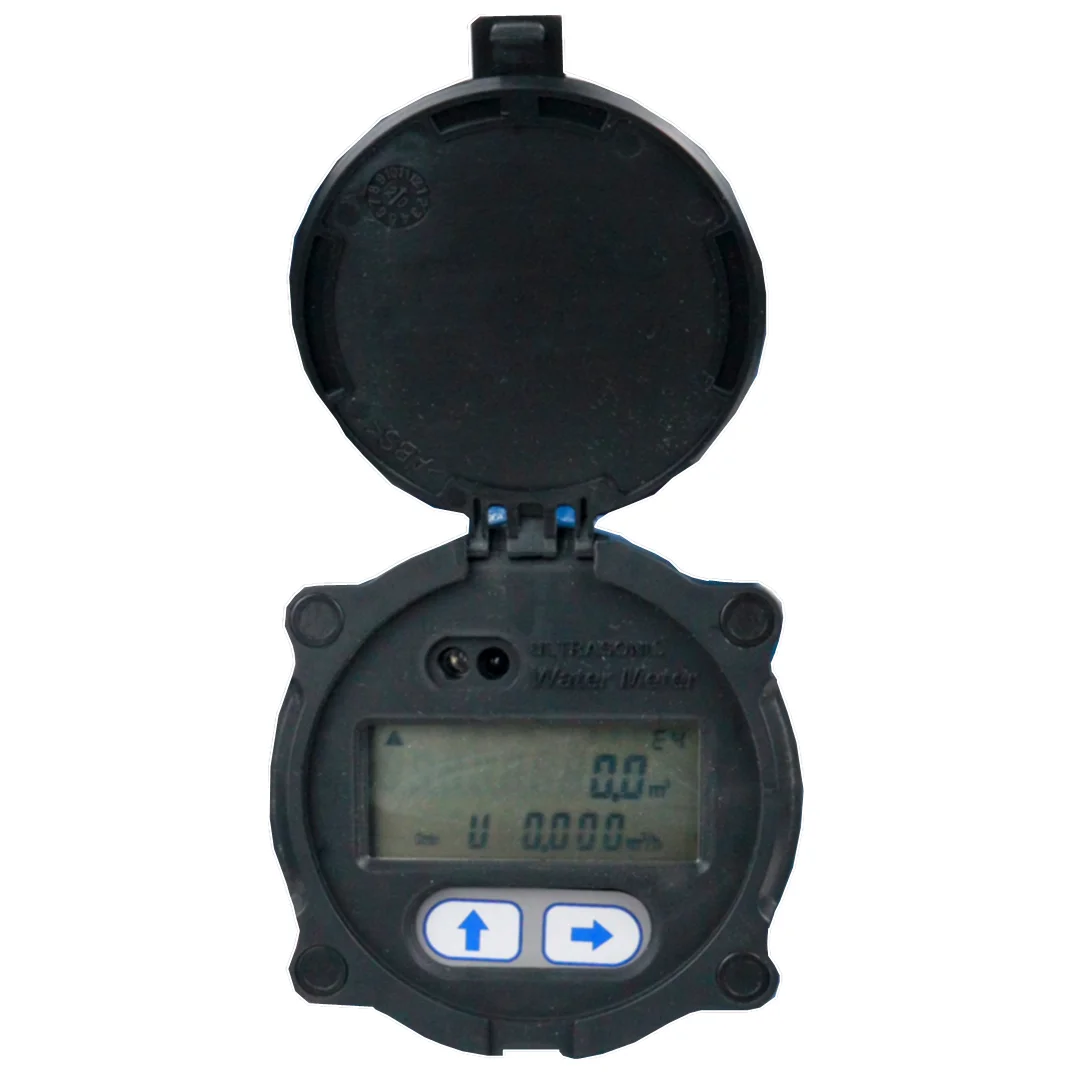
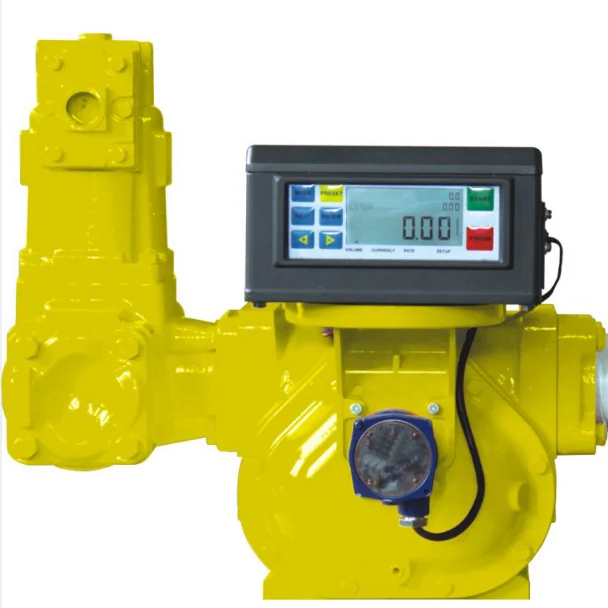
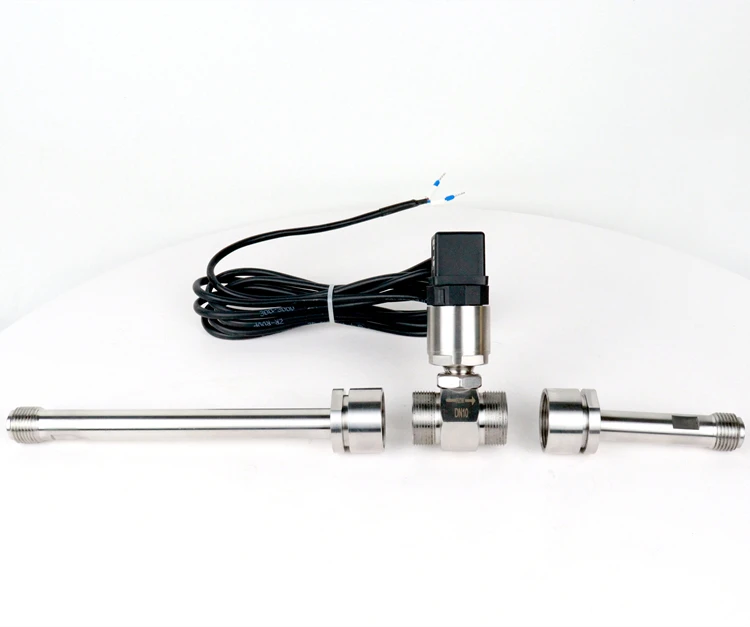
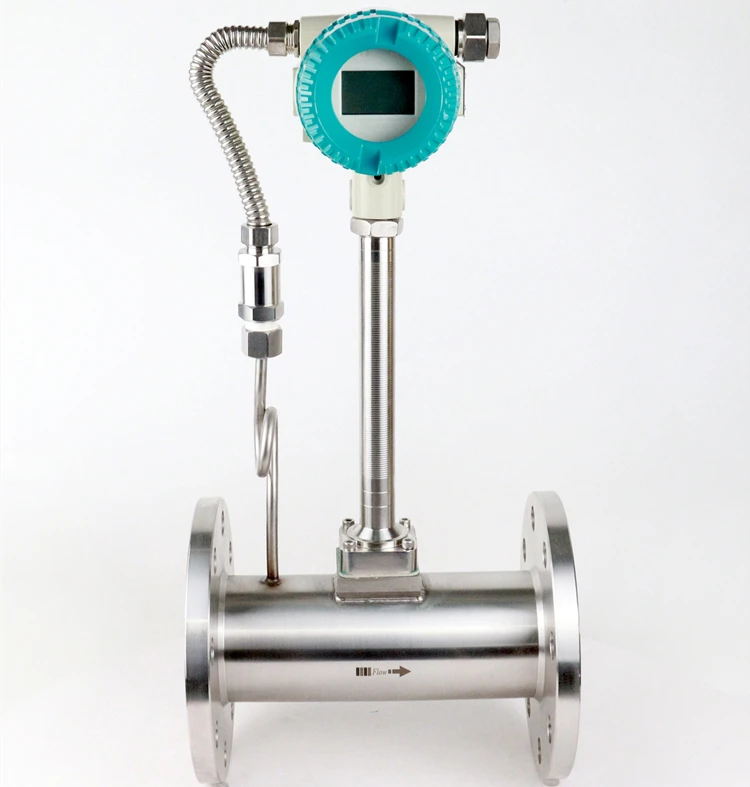
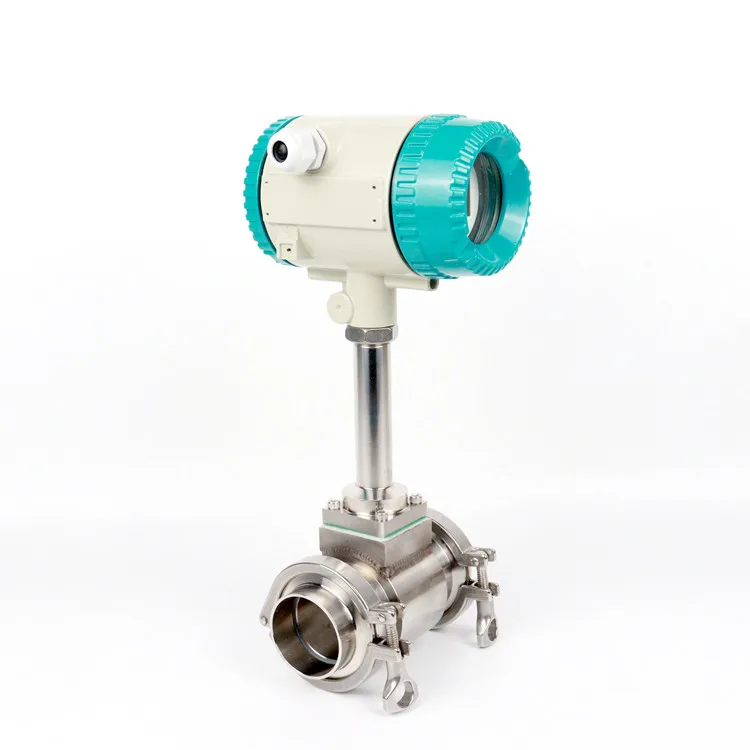
Fluid flow sensors” are special instruments that allow us to measure flow rates of liquids or gases at work in many types of jobs. The sensors are designed to sense how the fluid moves and to transform that motion into signals. There are endless ways to use these signals. Learning the exact way in which flow sensors operate allows us to discover why they are essential to make things work better in various duties.
Fluif flow sensors One of the things about a fluid flow sensor is that it measures the speed that a fluid can flow through a system. It can be useful just to keep up with how things are functioning. In a factory for example, fluid flow sensors are used to measure how much liquid water or gas is used at various stages of making products. This guides managers in making good decisions about how to allocate resources and increase efficiency.
Fluid flow sensors are key components in many tasks that require the monitoring and control of flow within systems, and that's a requirement in order that operations run properly, and that the products being produced are of sufficient quality. Fluid flow sensors, in locations like chemical plants, food production and water treatment enable companies to track and control the movement of liquids and gases during production.
For instance, in a water filtration plant, flow sensors enable workers to monitor the ways in which water travels through various cleaning processes. This is done to ensure the appropriate amount of the chemicals are being used at each process for the most effective results. Without these sensors, the cleaning process may not be as effective, meaning that water quality and safety could be an issue.
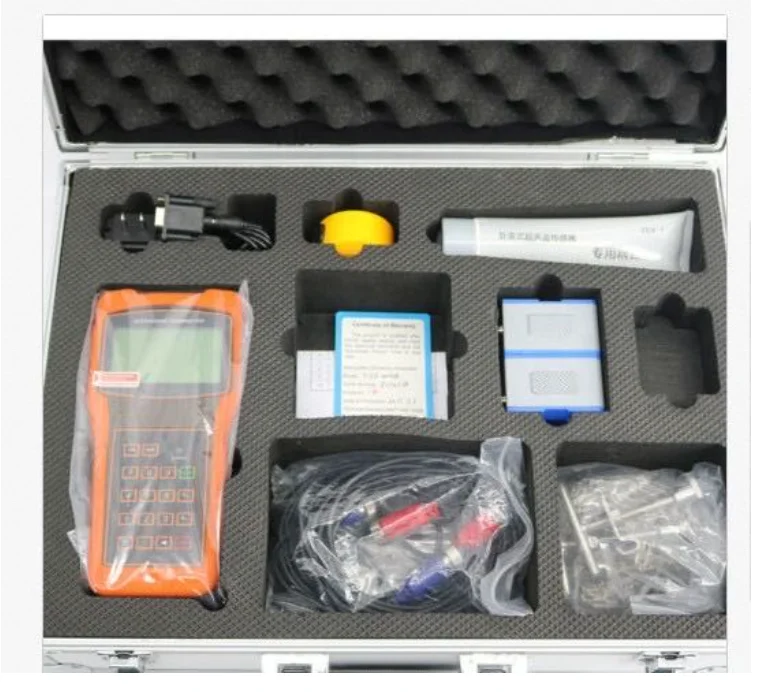
In a factory, say, fluid-flow sensors make production move more smoothly by measuring the correct amount of materials are used at the correct time. That’s a way to minimize waste and make sure that resources are used well. By monitoring flow rates of fluid, workers are also able to prevent machine malfunctions and production slowdowns that occur, and this also saves the company money while increasing productivity.
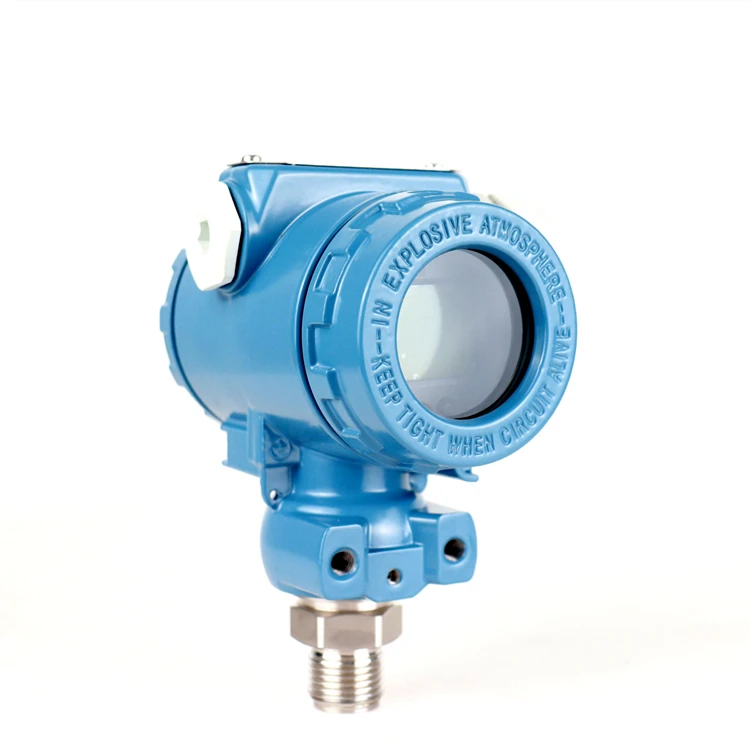
In order to select the right sensor for your particular job, you need to take into account the conditions of the fluid being measured and how fast it needs to be moving, in addition to the type of environment the sensor will be used in. Various types of fluid flow sensors — electromagnetic, ultrasonic, thermal — have distinct characteristics that make them well-suited to different jobs.
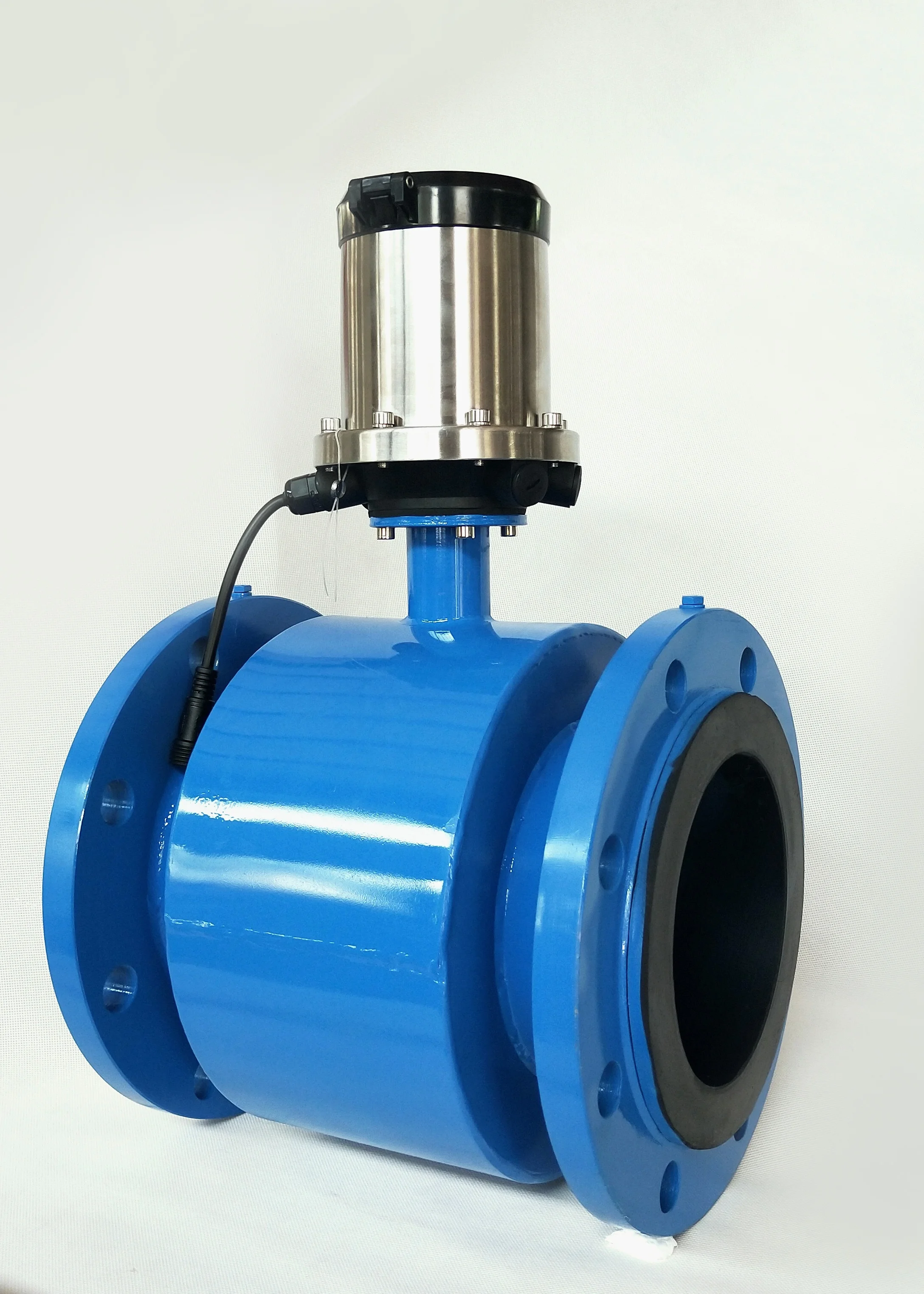
A major technical improvement in sensors is that sensors can wirelessly transmit data to a central system. This translates into fewer man hours required to collect data, and enables on-the-fly monitoring of fluid flow from any spot in the factory. This shift enables organizations to work more effectively and responds to change more rapidly.
We have full-set, precise calibration and measurement equipment. We also certified by China Institute of Metrology. This means every flow meter we send from the factory is calibrated according to the actual flow that is precise and with a high degree of precision. I also have complete waterproof and pressure testing equipment. This will make sure that the factory I run is strong fluid flow sensor and able to custom-make high-pressure instruments IP68-protection. Our quality control department is completely and rigorous. Every step is designed to ensure that the product is flawless once it has left the factory.
We have first received various types certifications of approval in China and, secondly we have received the explosion-proof certification recognized by domestic coal mining industry (Ex d ia(ia Ga) q IIC T6 Gb), and are in the process of fluid flow sensor for an international ATEX certificate for explosion-proofing; in addition our manufacturing workshop has completed complete set of environmental and quality system certifications and have obtained certifications; lastly we also hold CE certificates; full ISO quality certification, etc.
Our location is fantastic. We have a superior geographical area. assigned to cooperate. At same at the same time, Zhengzhou City, 50 kilometers away, is the largest rail hub in China that has direct railway transport routes that connect to Central Asia, Europe and Russia. Therefore, fluid flow sensor from us swift and secure and there plenty of channels to choose from.
Since many years our company has collaborated with some of most prestigious universities in the nation to attract and train top technical talent, which guarantees that we're always expanding and adding new products. We have always found solutions to various issues and pain points faced by different customers in various projects. In the meantime, our talent strategy will also help develop professional technical talents, providing dedicated fluid flow sensor laboratories working with companies that are at the forefront of technology the field to study.

Copyright © Kaifeng Kamboda Industrial Instrument Co.,Ltd All Rights Reserved - Privacy Policy