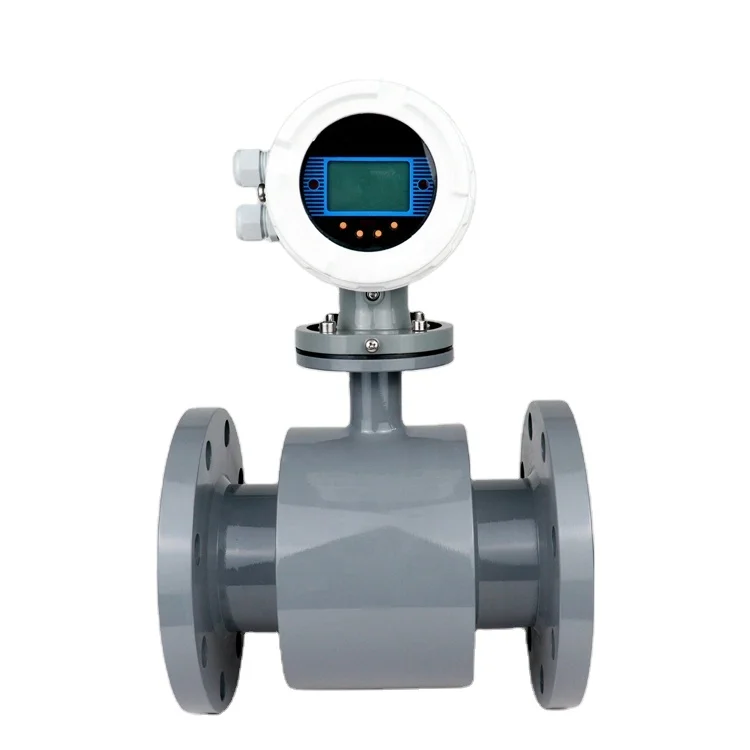
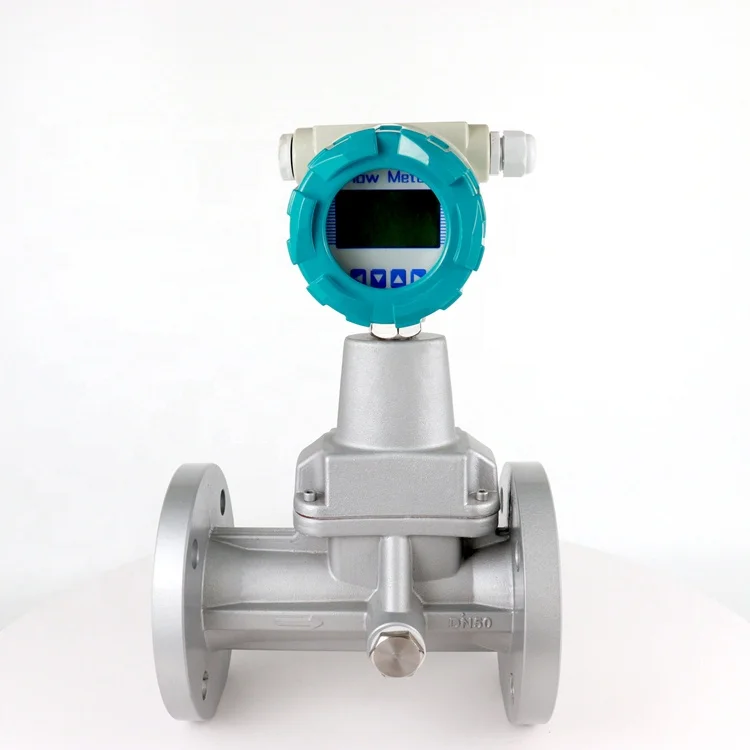
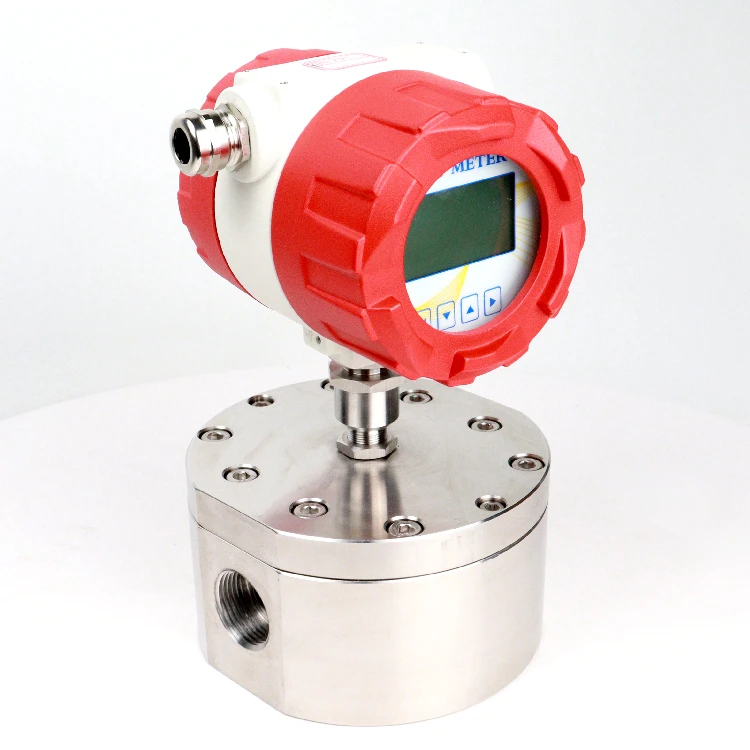
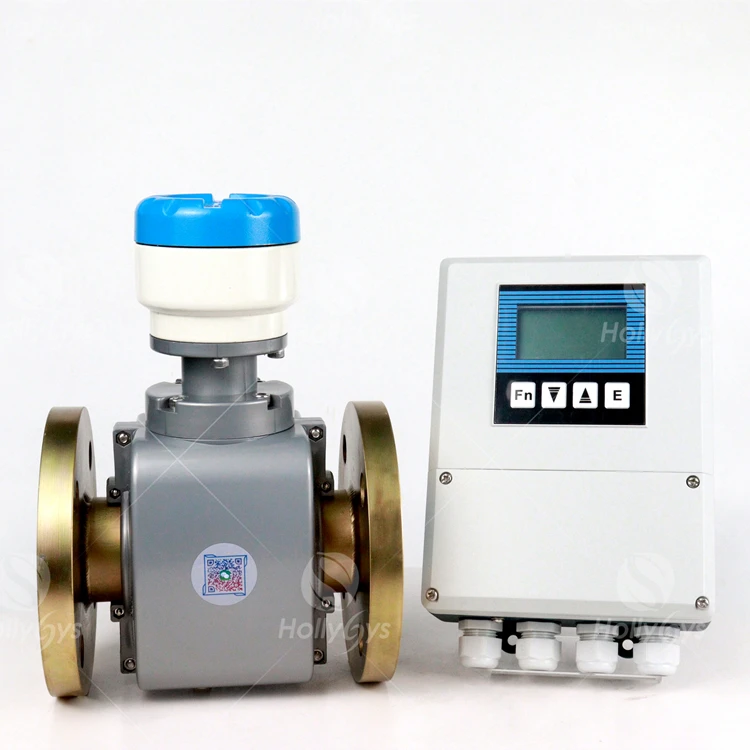
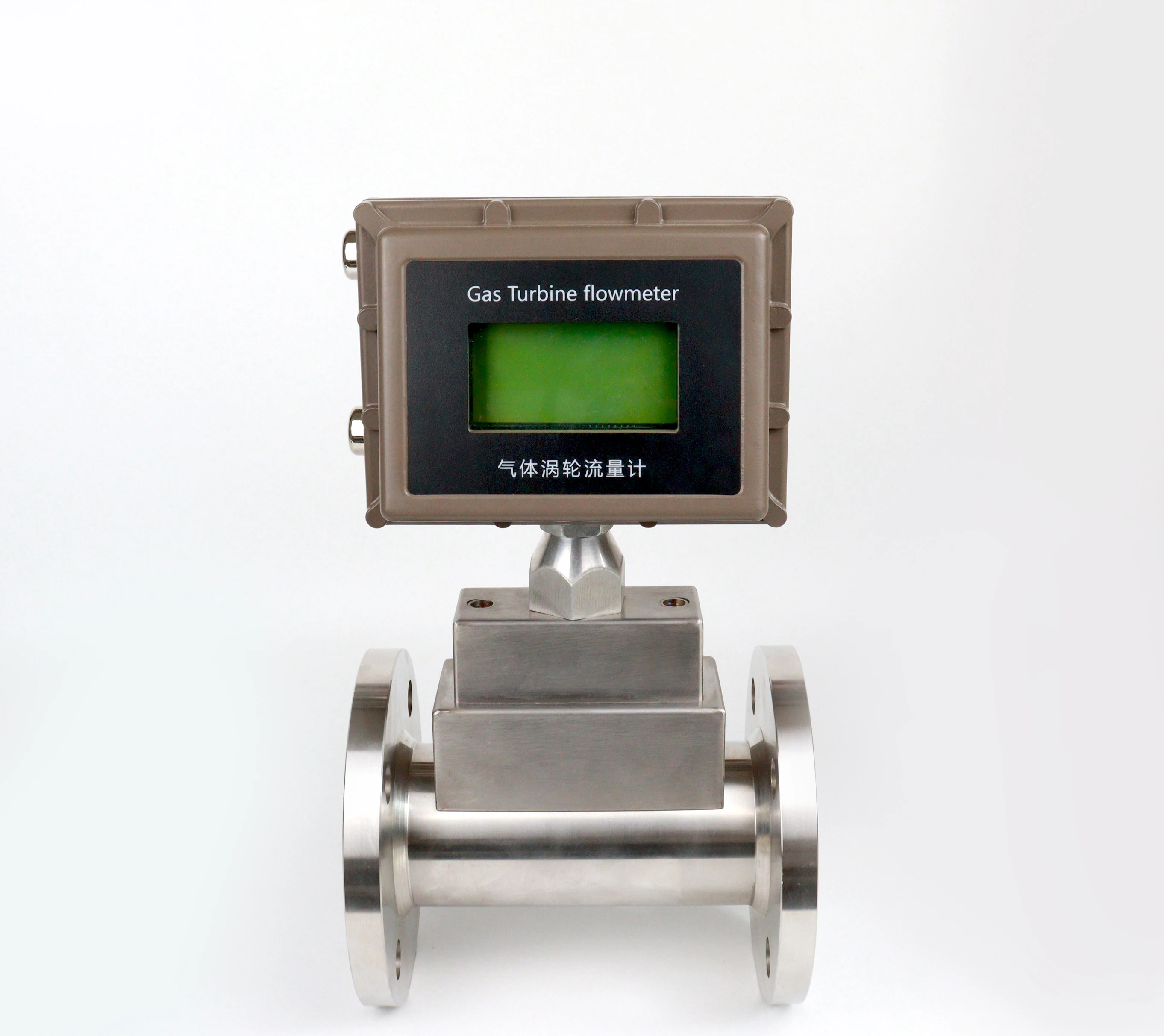
Temperature sensors are very useful tools that allows us to see how hot or cold something is. You can find them all over the place, such as in our homes and large factories. In this lesson, we are going to take a closer look at temperature sensors and how they are used in our everyday life.
Temperature sensors are the type of instruments which can tell what the temperature of a object or a place is. They do so by converting the temperature into an electrical signal that can be read by a thermometer or another device. Temperature sensors come in many flavors including thermocouples, RTDs and thermistors.
In the daily life, temperature sensors play an extremely significant role. We can see this in our homes with the likes of thermostats, refrigerators and ovens. Temperature sensors help make sure our food is at the right temperature (whether that’s hot or cold) and keep our homes comfortable. They’re also applied in medical devices, such as thermometers, to measure our body temperature when we are unwell.
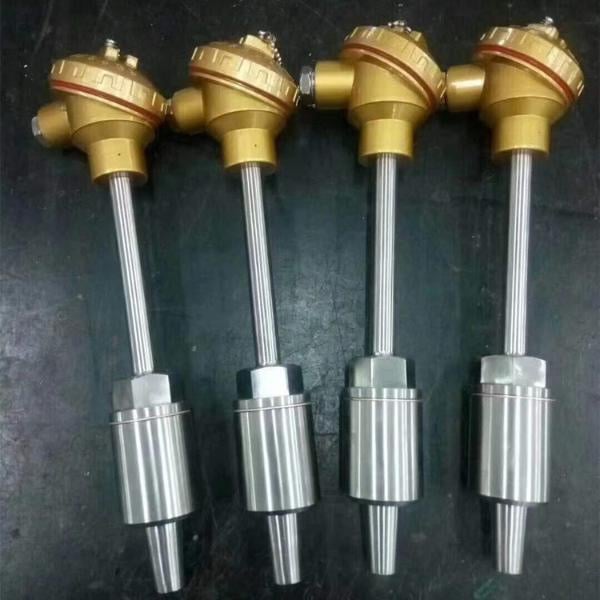
Temperature sensor is used in various factories and industries. They monitor and regulate various processes to ensure that everything is running smoothly. For instance, they might measure how hot machines get to prevent them from overheating, or check the temperature of chemical reactions to ensure they run as they should.
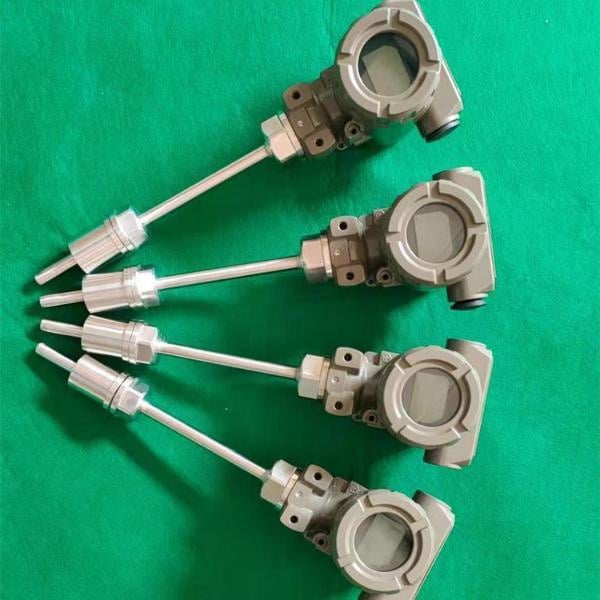
There have been a number of new developments in the technology of temperature sensors in recent time. Now, new sensors are being developed that are better, cheaper, and more sensitive — and capable of seeing a lot more than just signatures of colliding black holes. Some sensors can even be linked to the web and wirelessly chat to a computer or smartphone, which could check on the user from a distance. These recent developments are further enhancing the usefulness of temperature sensors in a broard range of applications.
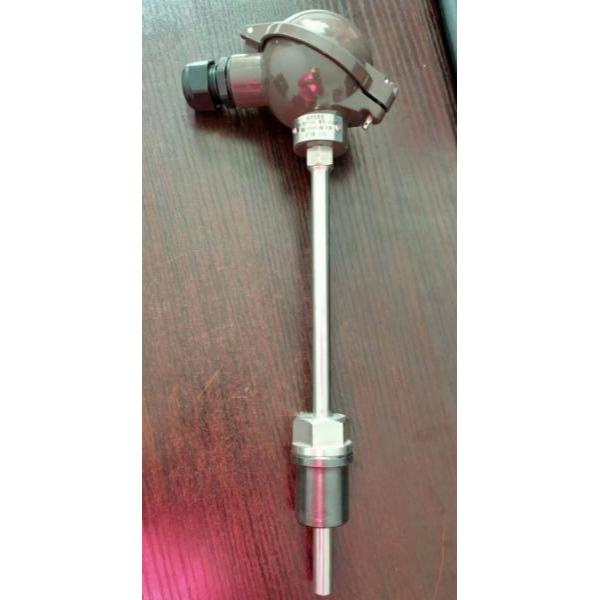
When you are choosing a temperature sensor for a specific task, you should consider factors such as how hot (or cold) this sensor needs to measure, and how accurate, and how fast it needs to be. Some sensors are good in high temperatures, and some are better in low temperatures. It’s also helpful to consider where your sensor will be located, as some sensors won’t work in high humidity or when exposed to movement. Picking the correct sensor will ensure that you receive accurate temperature readings each and every time.
Over the years, our company worked with well-known temperature sensors in the United States in order to train and recruit best technical talent. This assures us that we are constantly improving and adding new products. We have the ability to provide solutions for different problems and issues that our clients confront various projects. The talent plan we have developed also helps to develop professional technical talents by providing dedicated research labs and cooperating in the industry with advanced technology firms to gain knowledge.
First, we have obtained various forms approval certificates in China Second we have gotten explosion-proof certification recognized by the local mining industry (Ex d ia(ia Ga) q IIC T6 Gb) and we are trying to obtain the international ATEX explosion-proof certificate. In addition, our production workshop completed an entire set of quality temperature sensors and environmental system certifications and has obtained certifications; lastly, we also have CE certificates; full ISO quality certification, etc.
We have a complete set of precise measuring calibration equipment and have been certified by the China Institute of Metrology, making sure that every flow meter that we ship out of the factory has been calibrated with real flow is accurate and true precision. I have also the complete pressure and waterproof testing equipment. This is to make sure that my facility is strong enough and able to custom-make high-pressure instruments IP68 safety. Our quality control department is completely and strict. Each step is carefully planned to make sure that the product is temperature sensors after it leaves the factory.
We are situated in a premium geographical location. Within 60 kilometers, there is Zhengzhou International Logistics Port, the largest port air logistics in Central China, with abundant logistic and air options; there are a variety of international express companies, such as FEDEX, UPS, DHL, TNT, etc. Zhengzhou City is 50 km away and is also the temperature sensors rail hub in China. It is connected railway transportation routes Central Asia, Europe, and Russia. Shipping with us is secure and quick, with a variety of options to choose from.

Copyright © Kaifeng Kamboda Industrial Instrument Co.,Ltd All Rights Reserved - Privacy Policy