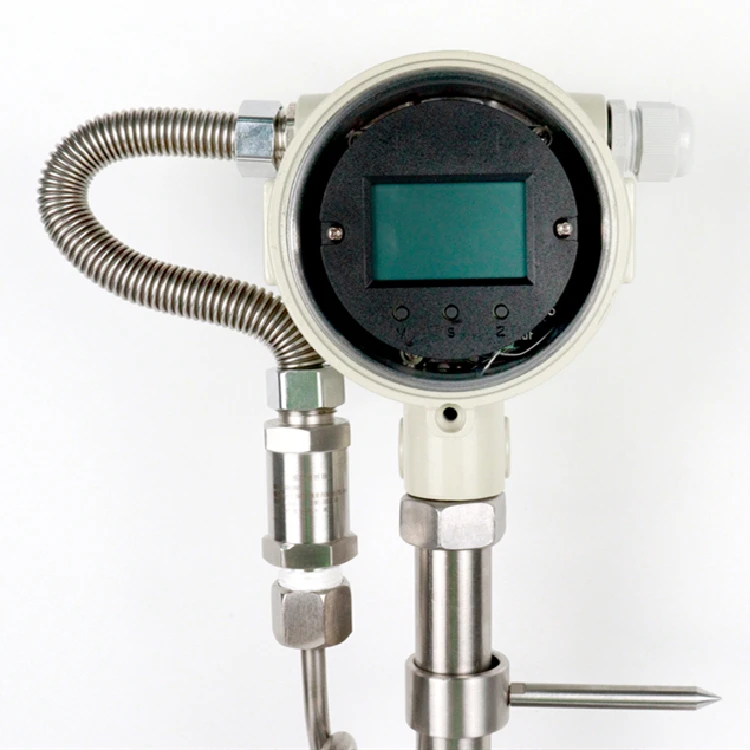
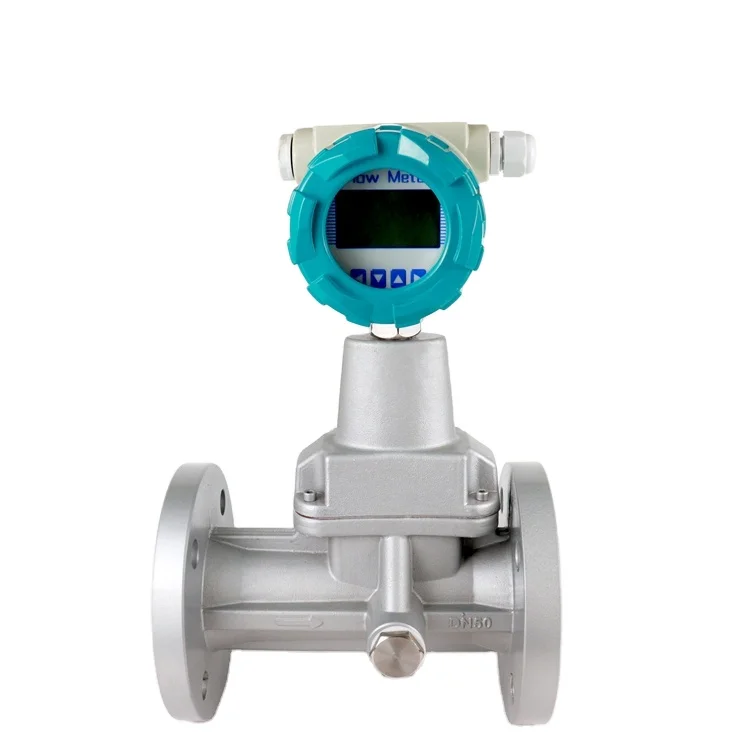
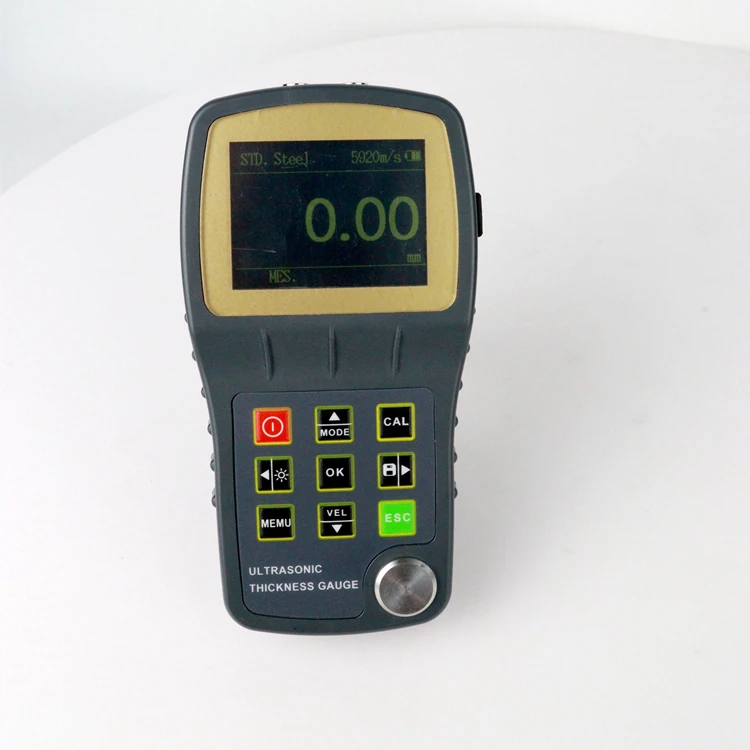
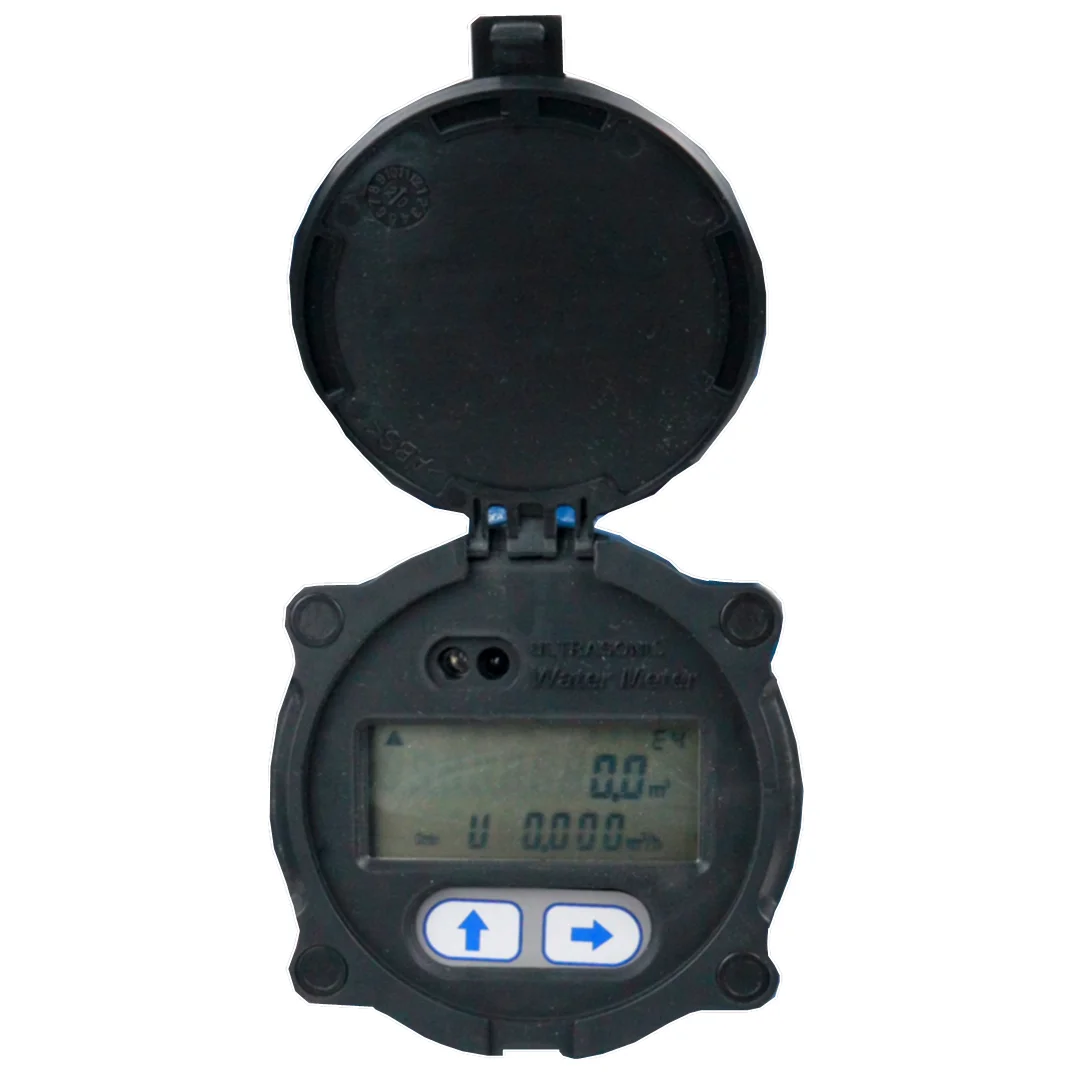
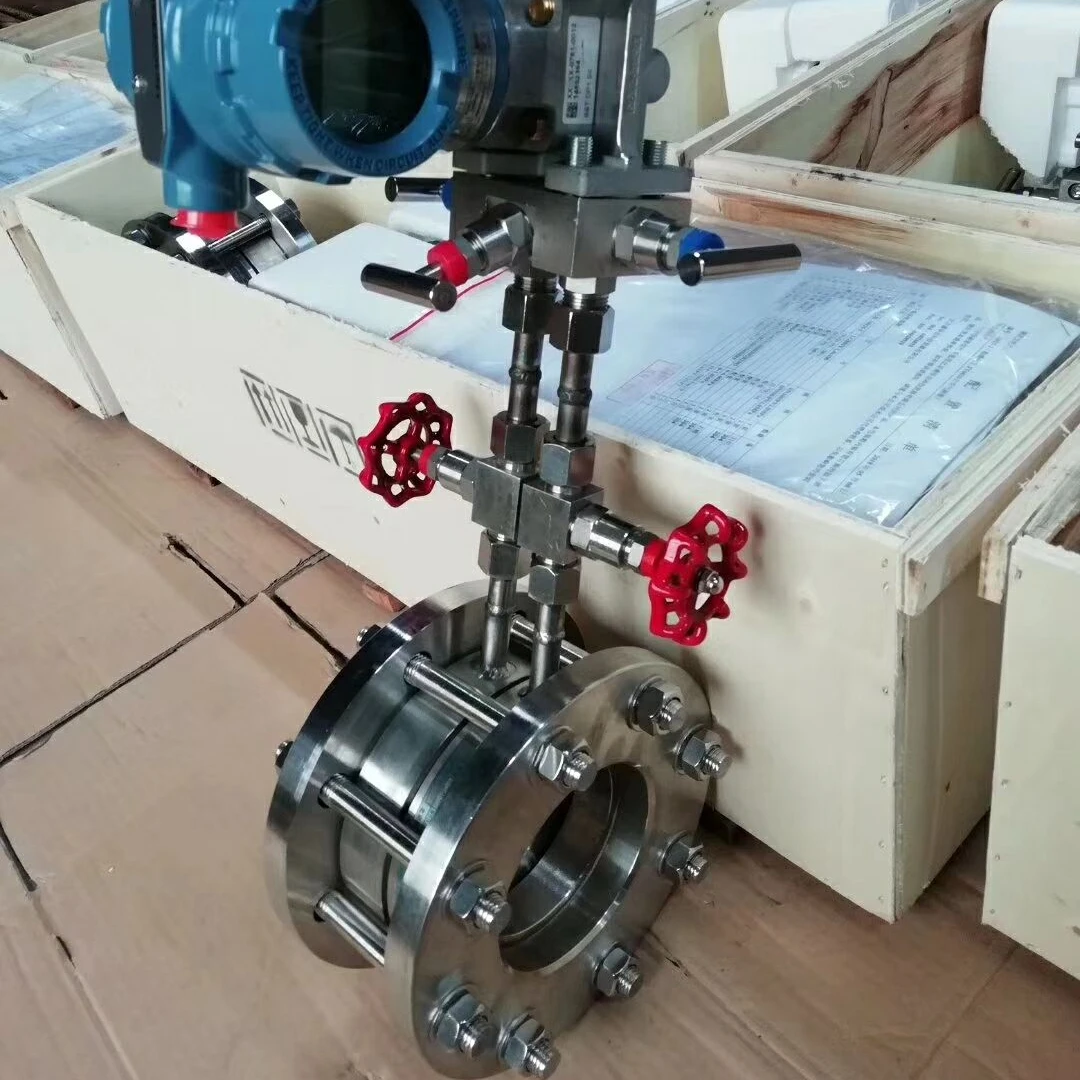
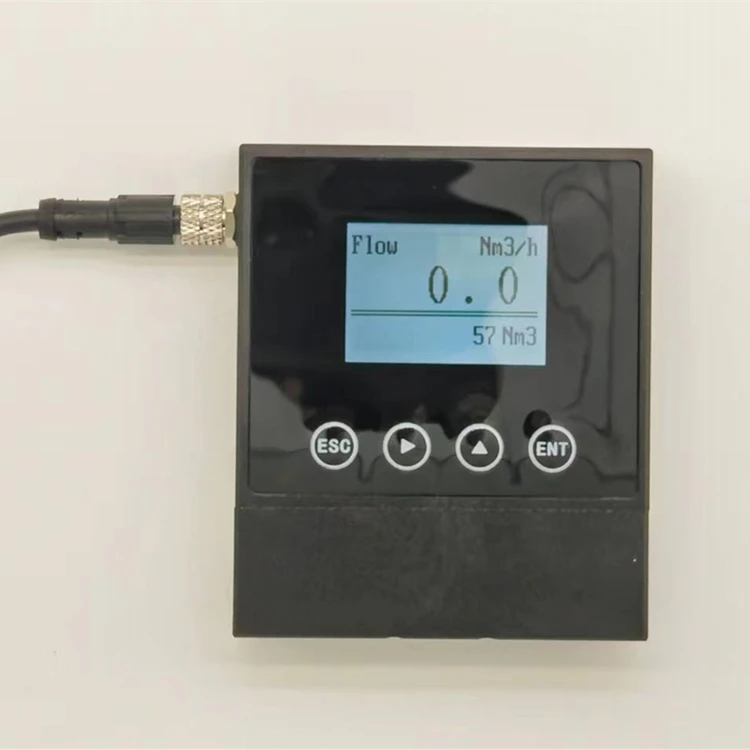
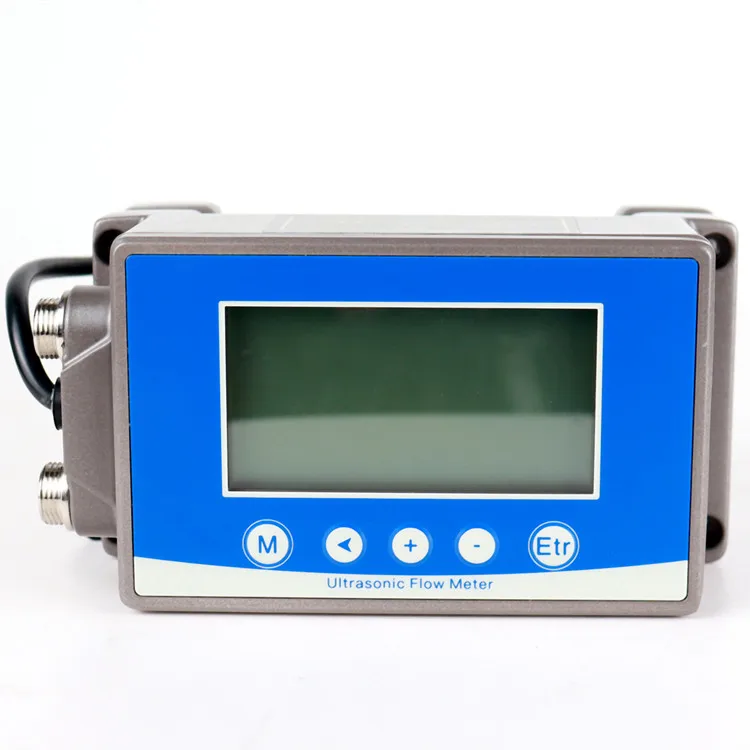
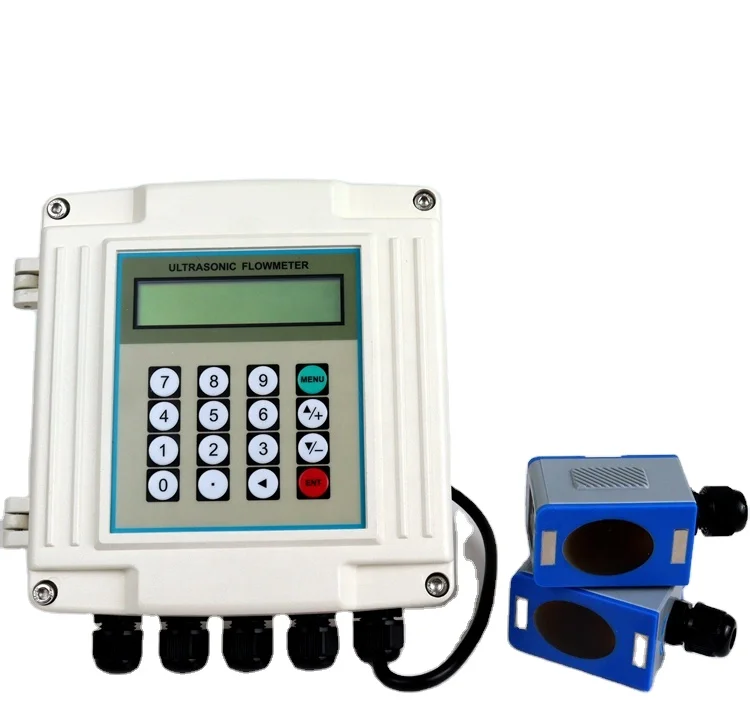
Temperature probe sensors are nifty gadgets that give us an idea of how hot or cold an object is. We use these sensors in myriad settings, from kitchens to hospitals to cars. In this lesson, we will learn about temperature probe sensors and how they function.
Just as it sounds, temperature probe sensors are small devices which calculate hot or cold an object is. They also have a probe to be inserted into liquids, sol’s or gasses to determine those substance’s temperature. These sensors are crucial, in other words: They tell us if something is too hot or too cold.
The temperature probe sensors work pretty much anywhere. In a kitchen, they ensure a meal is cooked to the correct temperature so it doesn’t make us ill. In a hospital, doctors and nurses can use these sensors to monitor patients’ temperatures and ensure they are healthy. In a car, temperature probe sensors regulate the air conditioning so we are kept cool on hot days.
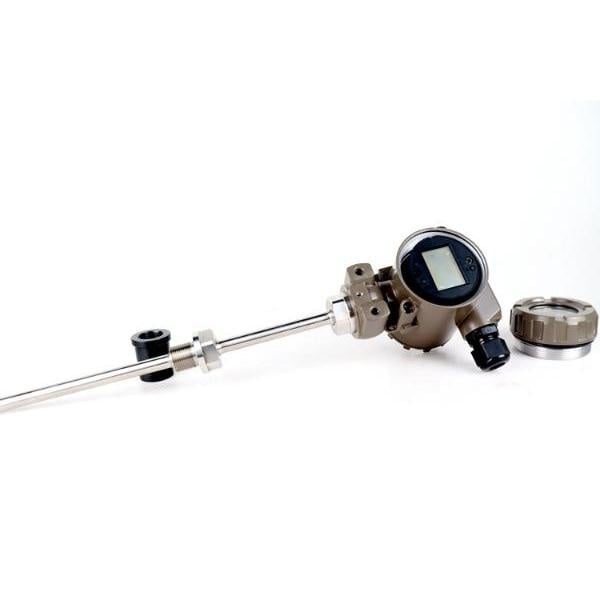
Temperature probe sensors that need to be calibrated are those in which it is important that the probe provide an accurate reading. Just as we test to see if a scale reads our weight correctly, they must be calibrated to read the correct temperature. If they aren’t calibrated, they might supply bad information, which is potentially dangerous in settings like hospitals.

Temperature probe sensors are available in many varieties, so it’s important to choose the right one. Some sensors are high temperature-rated, some are low. We should also consider where we are going to use the sensor, since there are some that are designed to withstand extremes of heat or cold.
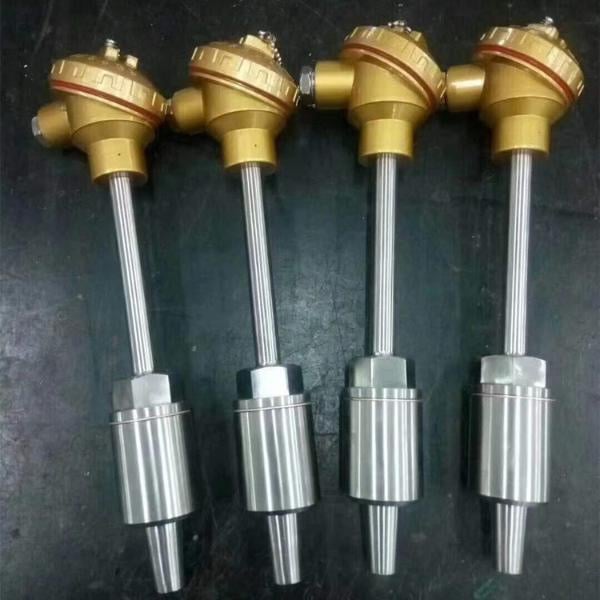
There are a lot of neat features on today’s temperature probe sensors. Some are able to pair with smartphones or computers so that we can monitor temperatures from a distance. Others include alarms that sound when the temperature is too high or too low. These characteristics help to sensors easier to apply to variety of location.
We are in a prime geographical position. We a superior geographic area. They are entrusted with cooperation; at the same at same time, Zhengzhou City, 50 kilometers away from us, is the largest rail hub in China, with direct railway transport routes to Central Asia, Europe and Russia. Shipping from us is quick and secure there are plenty of temperature probe sensor to choose from.
We are equipped with full-set precision calibration measurement equipment. We also received certification from the China Institute of Metrology. This means that every flow meter we send to the factory has been calibrated to real flow with precise and accurate precision. I also have complete waterproof and pressure testing equipment. This helps to make sure that my facility is equipped with the capacity and strength to make high-pressure instruments on a custom basis or IP68-protection. We have a rigorous and complete quality control temperature probe sensor, and every step of the inspection process to make sure that each product is of the highest quality once it has left the factory.
We have received several certifications from China. We also received the explosion proof certificate recognized by the coal mining industry in China (Ex d ia (ia Ga) q T6 Gb) and we are looking to apply for the internationally recognized ATEX certificate. In addition our production workshop completed a complete set of certifications well as certificates for quality systems as environmental management and have temperature probe sensor CE certificates.
Our business has been cooperating renowned universities in the country for a long time, attracting training the best technical experts, which is not only a guarantee of our constant technological advancement however, it also continually improves and introduces new products. We can find solutions different issues and pain points that customers face in different temperature probe sensor. While doing so, our talent plan also fostering professional technical talents, providing dedicated research laboratories cooperating with leading technology companies in the field study.

Copyright © Kaifeng Kamboda Industrial Instrument Co.,Ltd All Rights Reserved - Privacy Policy