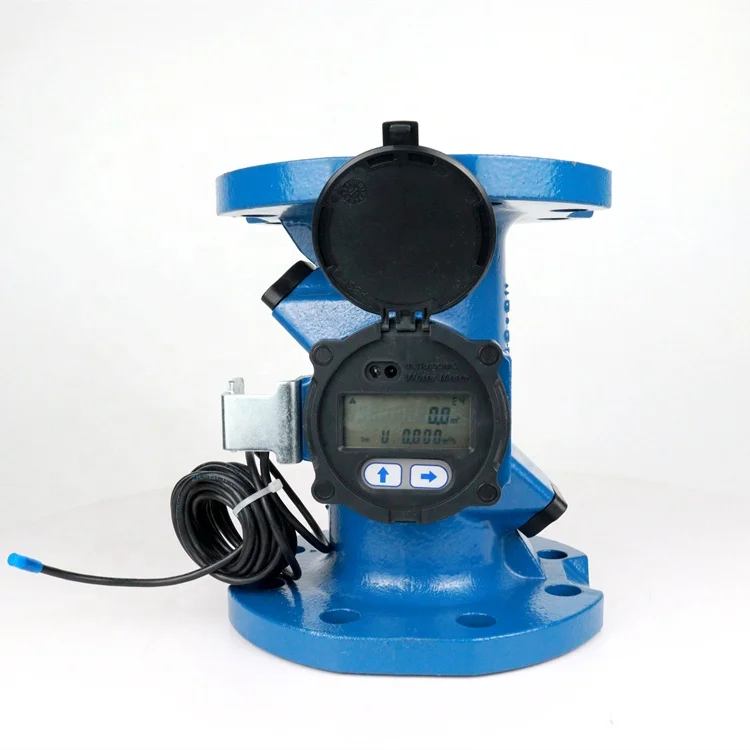
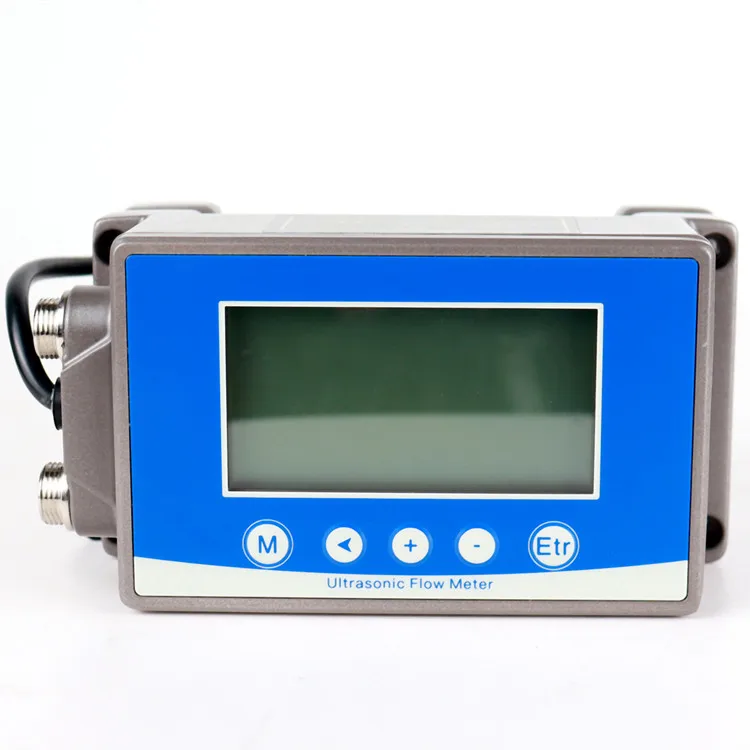
Gauge pressure transmitters are essential instruments which have a direct impact on the performance of liquids and gases in a wide range of occupations. But what do we mean by a gauge pressure transmitter, how does it work?
A gauge pressure transmitter is an instrument regulating the pressure of a fluid (gas or liquid) in comparison to the pressure of atmosphere surrounding it. It contains a sensor that detects the pressure and converts it into an electrical signal. This signal is transmitted to a display or control and the pressure value is displayed and can be adjusted if required.
The most common characteristics of gauge pressure transmitters are that they are able to measure difference in pression. A pressure drop is a difference in pressure between two points within a system. Because this difference can be measured, gauge pressure transmitters can provide valuable information as to how a fluid is flowing, how deep it is, and its density.

Calibration is a key factor when assuring gauge pressure transmitters reading accuracy. Calibration is the process of comparing the output of the transmitter with a known standard, and adjusting the output if necessary. Regularly calibrating gauge pressure transmitters allows industries to ensure their measurements are accurate and reliable.
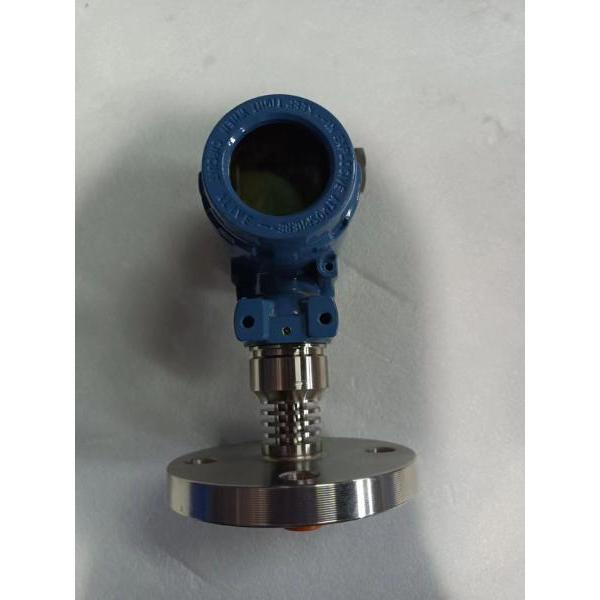
Gauge pressure transmitter is common in international market. They are commonly used in manufacturing, oil and gas, chemical processing and heating and cooling systems. Benefits The following are a few advantages of using a gauge pressure transmitter:

There are a few big things you need to consider when choosing a gauge pressure transmitter for your application. These include the type of fluid to be measured, the range of the pressure required, the degree of accuracy and the conditions of the environment. You should consult with a specialist to determine the right gauge pressure transmitter for your individual requirements.
Over the years, our company worked with well-known gauge pressure transmitter in the United States in order to train and recruit best technical talent. This assures us that we are constantly improving and adding new products. We have the ability to provide solutions for different problems and issues that our clients confront various projects. The talent plan we have developed also helps to develop professional technical talents by providing dedicated research labs and cooperating in the industry with advanced technology firms to gain knowledge.
We have a great geographical location. We have superior geographical location. They are entrusted with cooperation; at the same at the same time, Zhengzhou City, 50 kilometers away us, is the largest railway hub in China with direct railway transport channels that connect that connect to Central Asia, Europe and Russia. Therefore, shipping us is quick and safe and there are gauge pressure transmitter routes to pick from.
We have a complete set of precise measurement calibration equipment and have obtained certification from the China Institute of Metrology, which ensures that every flowmeter we send out of our factory is calibrated using real flow and has precise and precise. I also have all the necessary waterproof and pressure testing equipment. This is to be sure that the factory I run is equipped with capacity and strength to build high-pressure instruments, or IP68 safety. We have a strict and thorough quality inspection department, and every step of the inspection gauge pressure transmitter is to ensure every product is flawless once it has left the factory.
We have first obtained various types of approval certificates in China; second, we've obtained an explosion-proof certificate that is recognized by the national mining industry (Ex d ia(ia Ga) q IIC T6 Gb) and are trying to obtain the international ATEX explosion-proof certificate. In addition, our production workshop has completed full set of quality and gauge pressure transmitter system certification obtained certificates. Lastly, we also hold CE certifications, complete ISO quality certification, etc.

Copyright © Kaifeng Kamboda Industrial Instrument Co.,Ltd All Rights Reserved - Privacy Policy