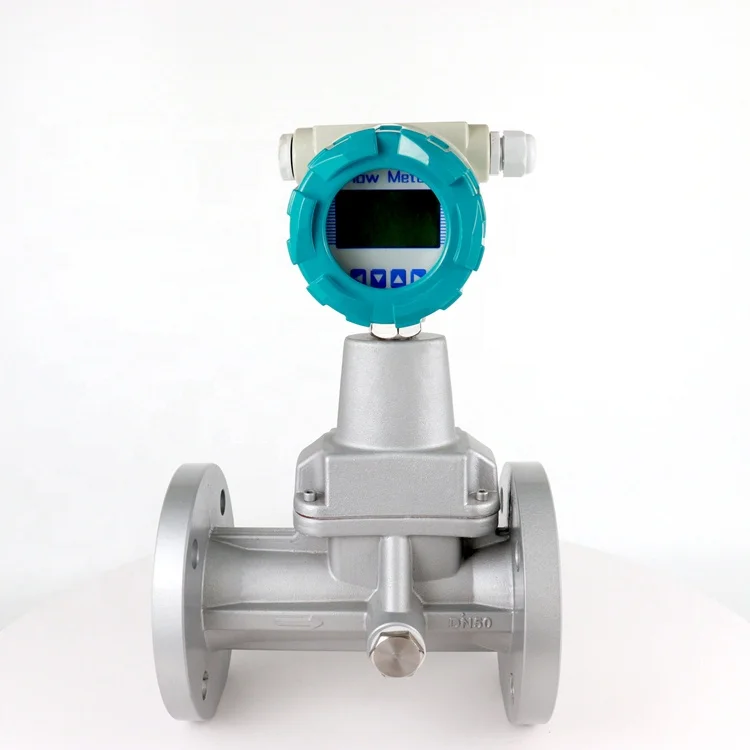
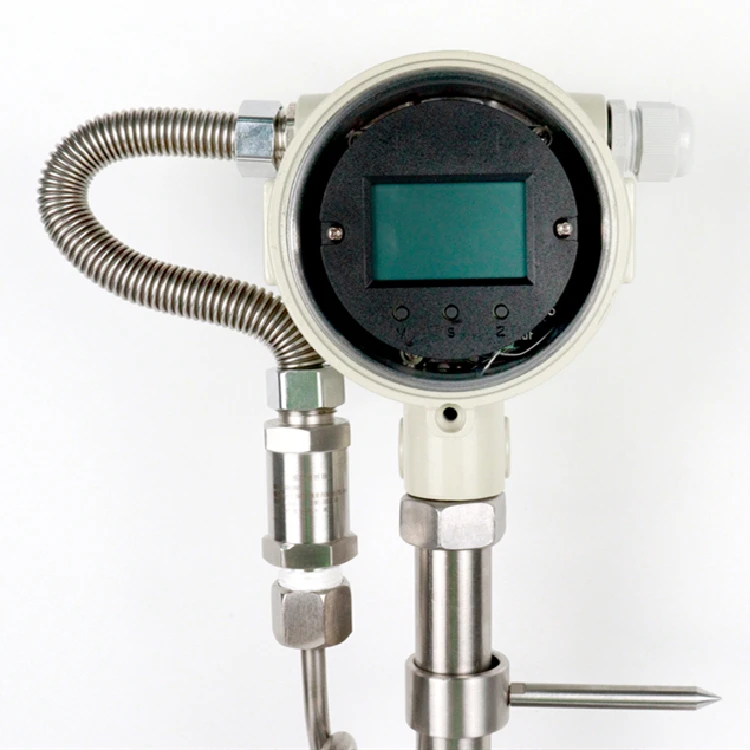
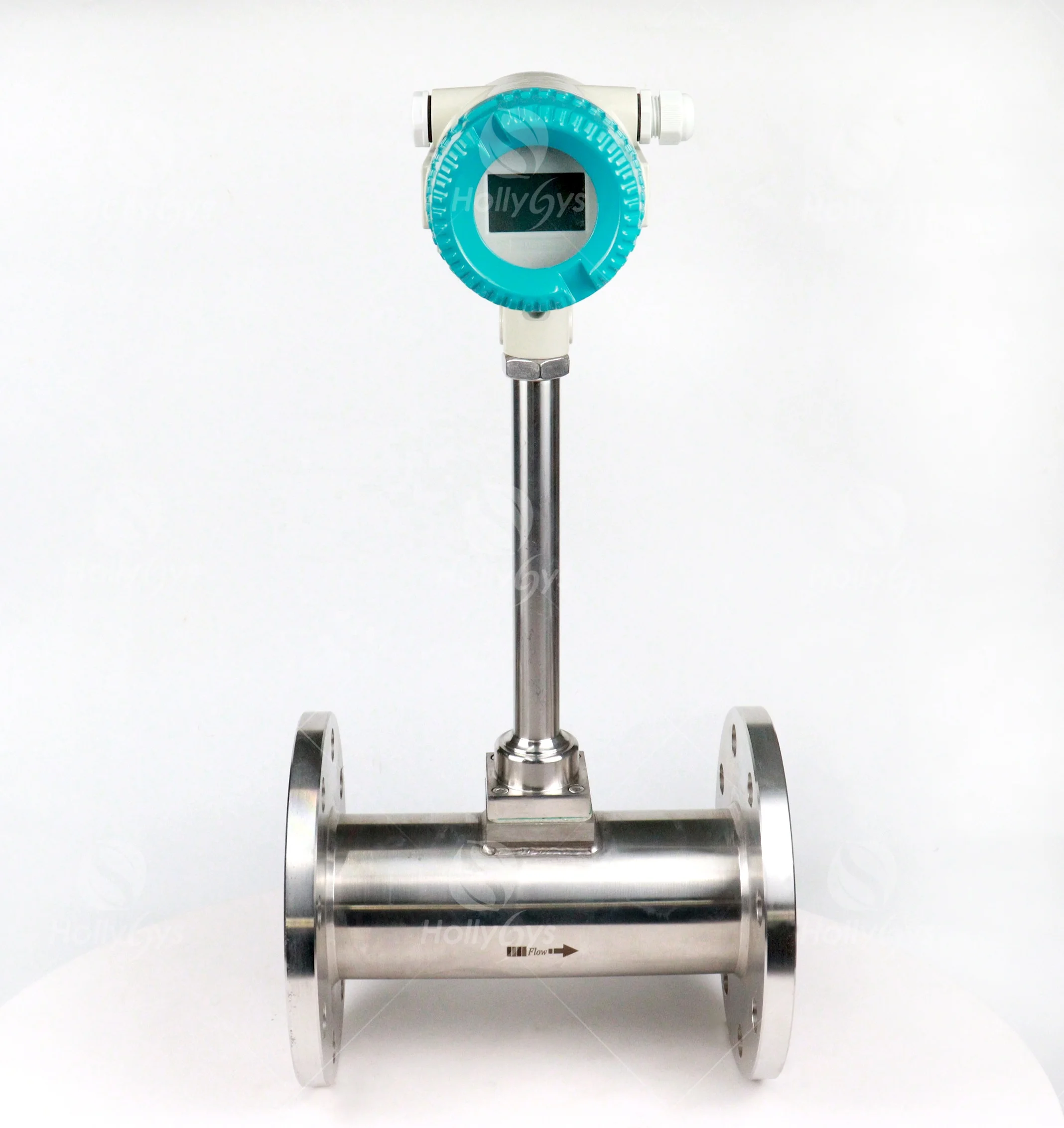
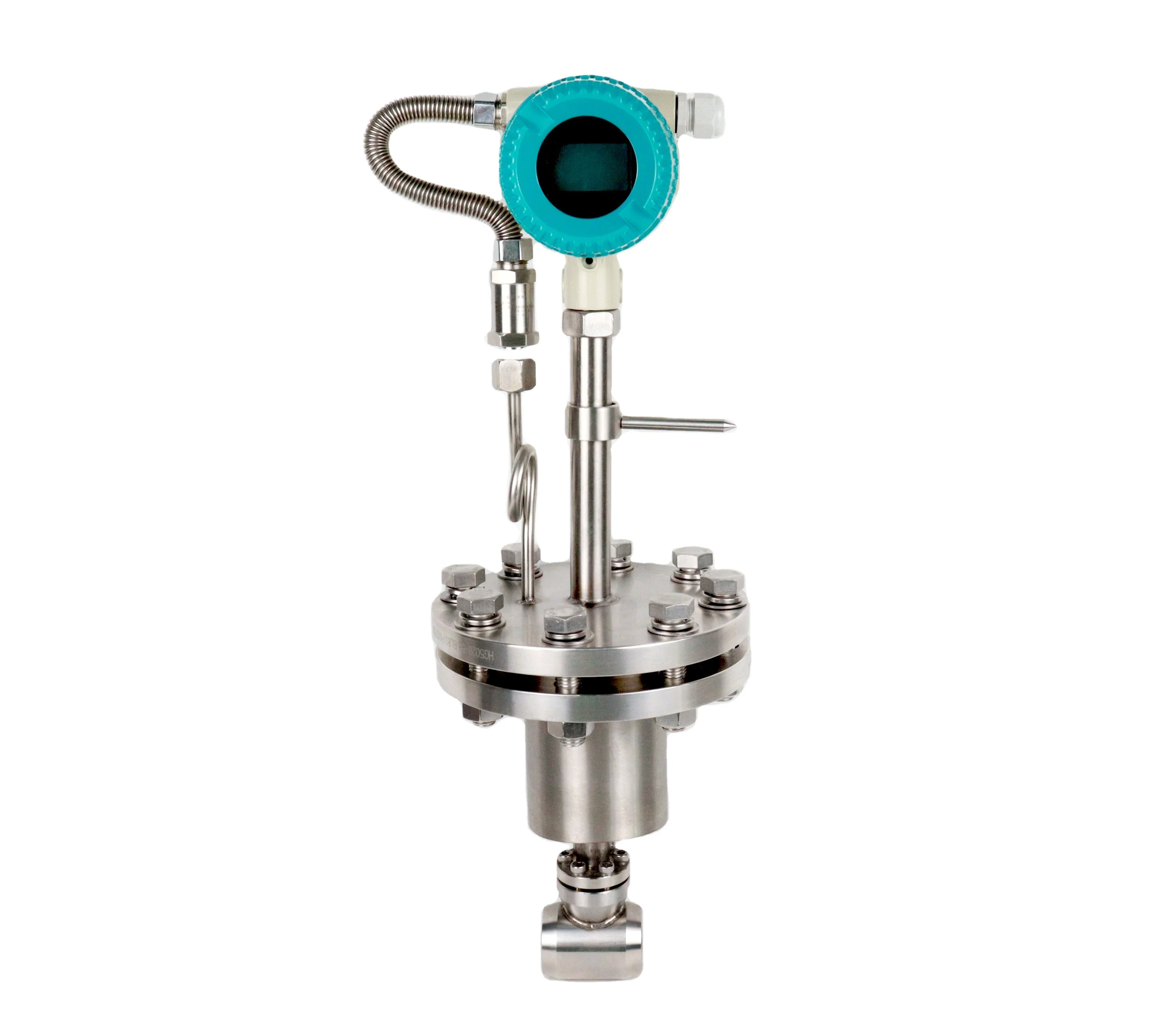
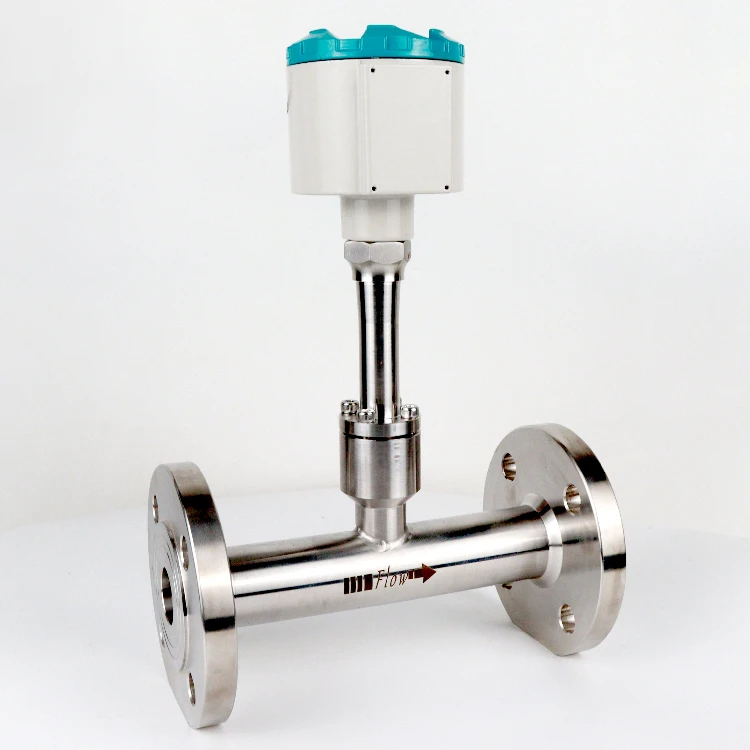
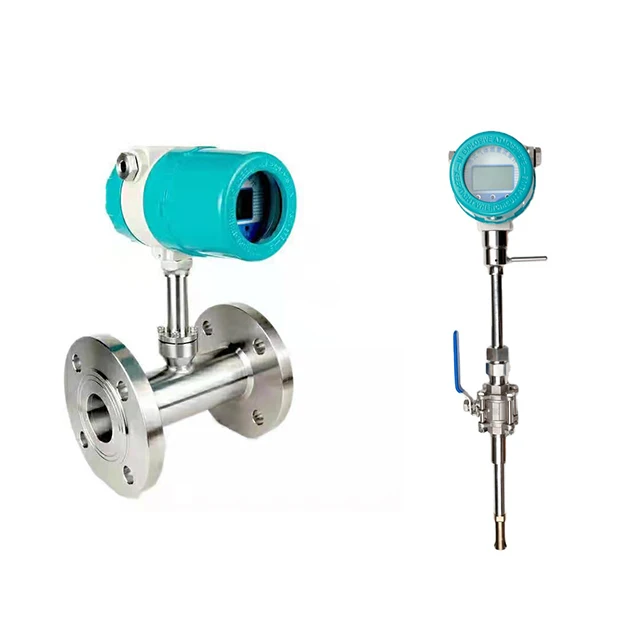
Gas flow meters are instruments that we use to measure the flow of gas in various systems. Gas Flow Meter Types There are a variety of gas flow meters on the market, each of which offers specific features and advantages. Choosing the right gas flow meter for your specifications is key to an accurate reading and the most effective performance ( To solve these problems, let's take a closer look at gas flow meters, as we discuss the different types of flow meters and explain why choosing the right type is critical for your application.
Turbine flow meters have a rotor that spins to gauge the flow of the gas. As the gas passes through the meter it spins the rotor, which the number of spins is counting in order to deduce the flow rate. Ultrasonic flow meters Sound waves are employed to measure the gas flow Thermal flow meters The gas flow is measured by the heat transfer from the gas. Differential pressure flow meters is used to evaluate the flow rate by measuring the pressure change that occurs across a restriction in a flow channel.
For instance, turbine flow meters are perfect for measuring high flow rates of clean gases, whereas ultrasonic flow meters are better suited to measure gas flow in large pipes. Thermal flow meters are typically used for measuring gas flow at low flow rates and pressure and differential pressure flow meters are more popular in applications involving the need for high precision.
Turbine metering are promlen for their high degree of accuracy, certainty and long service life, that is why they works widely in application for all industrial and process flow. Ultrasonic flow meters are clamp on and non-intrusive that are easy to install, best for applications where an insertion or inline flow meters are not economically or feasible not practical. Thermal-flow meters are also temperature and pressure sensitive, thereby allowing measurement of the flow of gases having different compositions. Introduced 30 years ago, these pressure drop flow instruments are suitable for an extensive array of applications but they must be calibrated frequently to ensure the accuracy of measurements.

There are many factors to consider when choosing a gas flow meter to make sure the meter is right for your application. Important considerations include gas being metered, flow rates, pressure, temperature, required accuracy, meter placement and maintenance.

For instance, if the gas to be measured is corrosive or dirty, a turbine flow meter might fail to meet the requirement and an ultrasonic flow meter may be preferable. Likewise, if high accuracy is of importance, then a differential pressure type flow meter may be preferred to a thermal flow meter.

Each of the gas flow meter device types has certain advantages and disadvantages. Turbine flowmeters often are precise and dependable, but susceptible to wear. Ultrasonic flows are also non-intrusive and easy to install, but may be sensitive to temperature and pressure. Thermal flow sensors are accurate up to ±1% from 80 to 400 Hz and reactive to temperature and pressure, depending on the application. The flowrate For calibrated to an accurate calibration and is the flow meters are transducers and may some vary away from zero and the flow rate is which may be calibrated, but result" Depending on this parameter the calibrated at regular itly calibrated.
Our company has been cooperating renowned universities in the country for several years, has been able to recruit and training top technical talent. This will not only guarantee our ongoing technological advancement, but also continuously improves and introduces new products. We can find solutions to various problems and issues that our customers encounter in their various projects. The talent plan we have developed also helps to develop professionals with gas flow meter types skills by providing specific research labs for and collaborating within the industry with top technology company's study.
We have full-set, precise measuring calibrating equipment. We have also has been certified by the China Institute of Metrology. This ensures that each flow meter that we ship from the factory is calibrated according to the actual flow true and precise precision. I also have the complete pressure and waterproof testing equipment. This is to be sure that the factory I run is able and strong enough to build high-pressure instruments, or IP68 safety. We have a stringent and thorough quality inspection department, and every step of the inspection is gas flow meter types to ensure that every product is flawless when leaves the factory.
We have received several certifications from China. We also received the explosion proof certificate recognized by the coal mining industry in China (Ex d ia (ia Ga) q T6 Gb) and we are looking to apply for the internationally recognized ATEX certificate. In addition our production workshop completed a complete set of certifications well as certificates for quality systems as environmental management and have gas flow meter types CE certificates.
We have a great geographical location. We are located a more favorable geographical position. They are entrusted with cooperation; at the same simultaneously, Zhengzhou City, 50 kilometers away from us is the biggest railway hub in China with direct railway transport channels that connect that connect to Central Asia, Europe and Russia. Thus, shipping our country is swift and safe There are a variety gas flow meter types to pick from.

Copyright © Kaifeng Kamboda Industrial Instrument Co.,Ltd All Rights Reserved - Privacy Policy