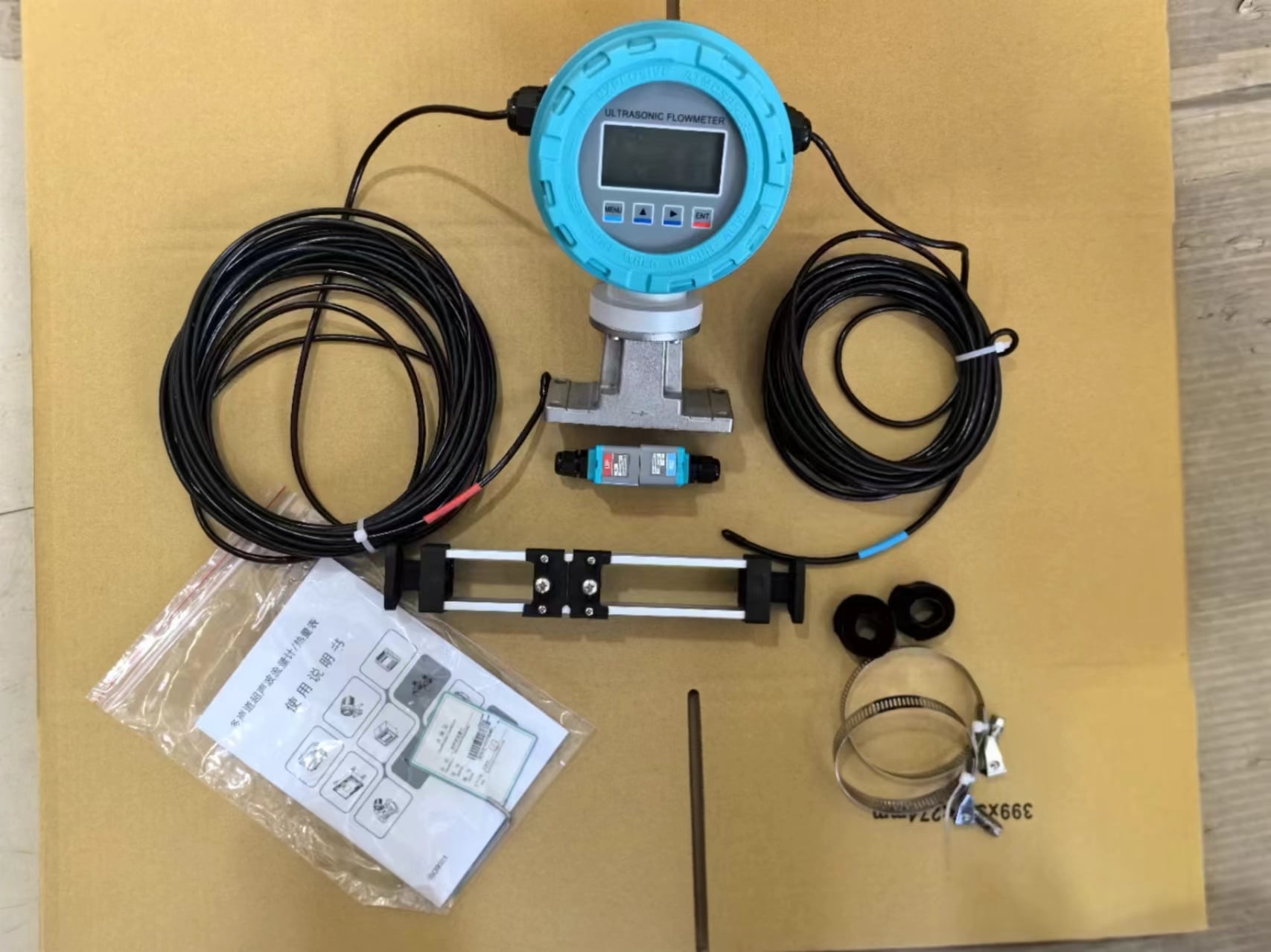
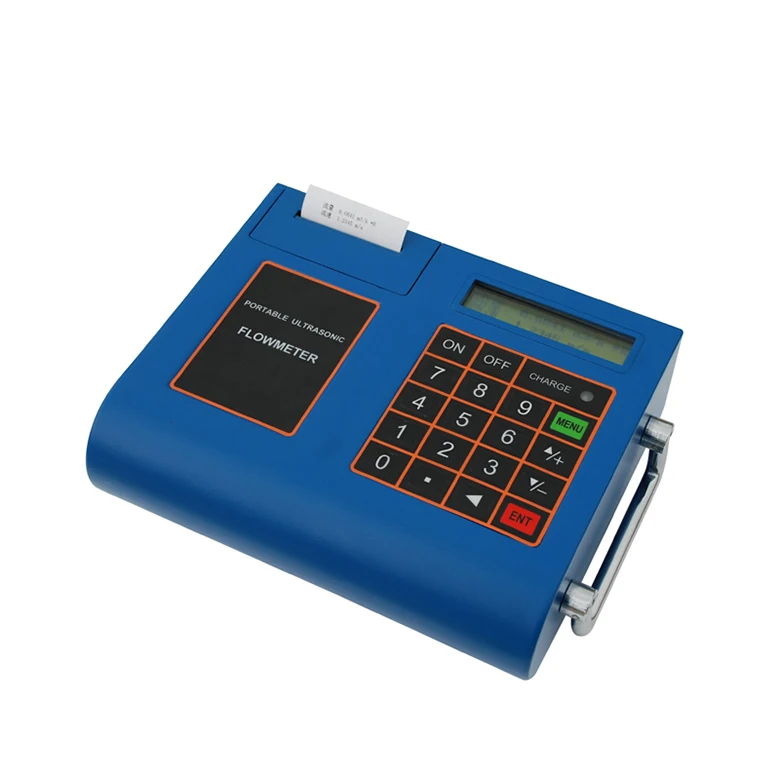
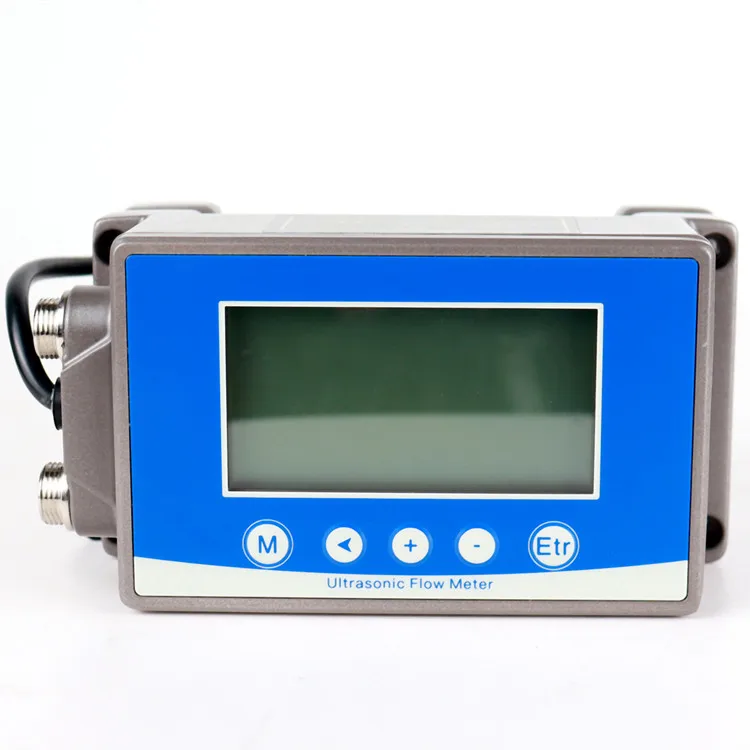
Fluid flow meters are devices that quantify how quickly a liquid or gas travels through a given system. They are employed in many places, such as factories, power plants and water treatment plants. VWUayertortable compact two horsepower fluid or accelerate flow meters monitor the rate of fluid through tubes. This data helps discover how much is in motion, which is super important for keeping things chugging along.
Precise measurements are critical when using flow meters for liquids. It ensures that systems are effective. Engineers can detect problems like leaks or blockages as well before they have a chance to grow too big by monitoring the flow rate of a fluid. Beyond that, if the system is set up right, accurate measurements of dissolved oxygen can help it work better, saving money and increasing production. That’s what makes flow meters so helpful in doing many professional tasks.
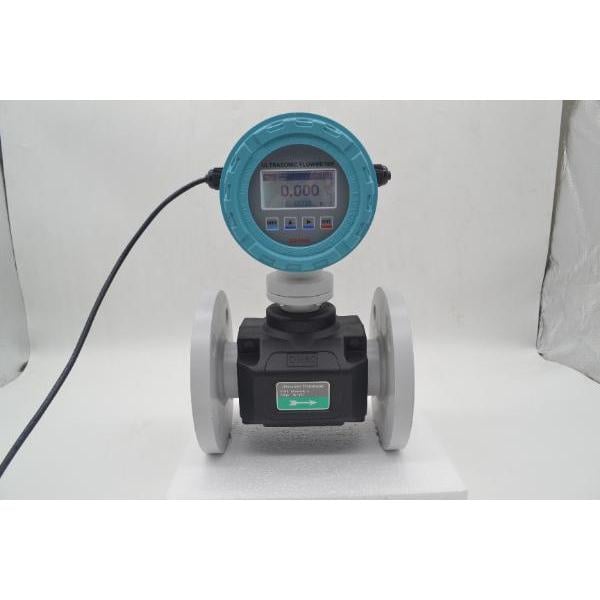
When choosing a fluid flow meter for your application, there are several things to consider. You’ve got to think about the type of fluid, how quickly it moves, and how precise your measurements have to be. For instance, you may have dangerous or abrasive fluids, so you need a certain kind of flow rate converter that can accommodate it. How fast the fluid is moving will also determine which flow meter will be most appropriate for your needs. Considering these points will help you pick a fluid flow meter that consistently delivers accurate readings.
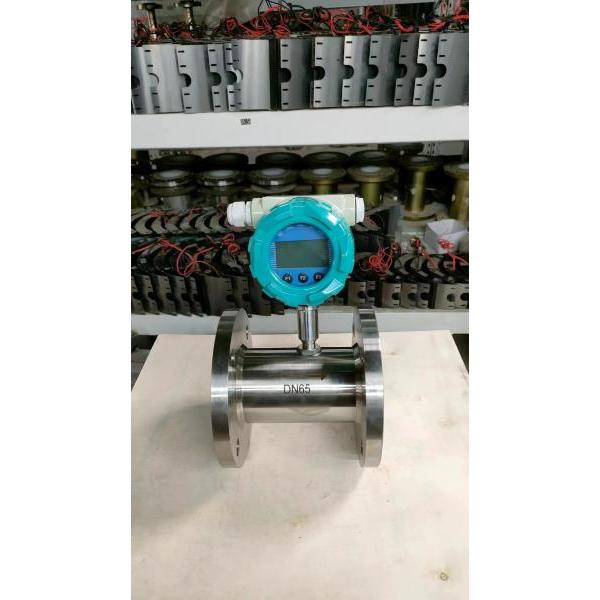
Once you’ve chosen and installed your fluid flow meter, it is also important to maintain it to keep it working properly. Fortunately, you can prevent problems and ensure it lasts longer by cleaning and checking the flow meter on a regular basis. Calibration is also crucial for ensuring accurate measurements from the flow meter. That is, you would measure it against a known standard, then adjust if necessary to achieve such accuracy. If you establish a routine that your fluid flow meter can rely on, it will live longer and work to provide you with accurate measurements.

The flow of fluid can be measured using different types of flow meters, with their own advantages and disadvantages. Some examples of flow meters include positive displacement meters, turbine meters, electromagnetic flow meters and ultrasonic flow meters. PD meters are perfect for low flows and highly accurate. High high, clean TURBINE METERS Good for flow rates. Any substance with the same conductivity works through these electromagnetic flow meters, making it perfect for a variety of conductive liquids such as water, and as an added benefit, they are extremely precise. Ultrasonic meters — they use sound waves to determine how fast a fluid flows — are good for dirty or corrosive liquids. By understanding the various types of flow meters, you can choose the one that best suits your applications.
We have first received various types certifications of approval in China and, secondly we have received the explosion-proof certification recognized by domestic coal mining industry (Ex d ia(ia Ga) q IIC T6 Gb), and are in the process of fluid flow meter for an international ATEX certificate for explosion-proofing; in addition our manufacturing workshop has completed complete set of environmental and quality system certifications and have obtained certifications; lastly we also hold CE certificates; full ISO quality certification, etc.
We have full-set precision fluid flow meter measurement equipment. We also was certified by China Institute of Metrology. This ensures that every flow meter that we ship out of our factory is calibrated according to actual flow that is precise and with a high degree of precision. I have also all the necessary waterproof and pressure testing equipment. This is to make sure that my factory strong enough and able to create high-pressure instruments that are custom-designed or IP68 safety. We have a rigorous and complete quality control department, and every step of inspection is to make sure that each item is in perfect condition before it leaves the factory.
Over the years, our company worked with well-known fluid flow meter in the United States in order to train and recruit best technical talent. This assures us that we are constantly improving and adding new products. We have the ability to provide solutions for different problems and issues that our clients confront various projects. The talent plan we have developed also helps to develop professional technical talents by providing dedicated research labs and cooperating in the industry with advanced technology firms to gain knowledge.
We are situated in a premium geographical location. Within 60 kilometers, there Zhengzhou International Logistics Port, the largest air-based logistics port in Central China, with abundant logistic and air options; there are many international fluid flow meter companies such as FEDEX, UPS, DHL, TNT, etc. Zhengzhou City is 50 km away, is biggest railway hub in China. It has direct railroad transportation routes that connect that connect to Central Asia, Europe, and Russia. Thus, shipping from us is fast and secure and there are plenty of routes to pick from.

Copyright © Kaifeng Kamboda Industrial Instrument Co.,Ltd All Rights Reserved - Privacy Policy